
Bathroom cleaning is an essential part of maintaining a safe and healthy home, especially for NDIS participants who may experience mobility challenges or need extra support with daily tasks. Over time, bathrooms can become difficult to manage without assistance, leading to hygiene issues, safety risks, and discomfort.
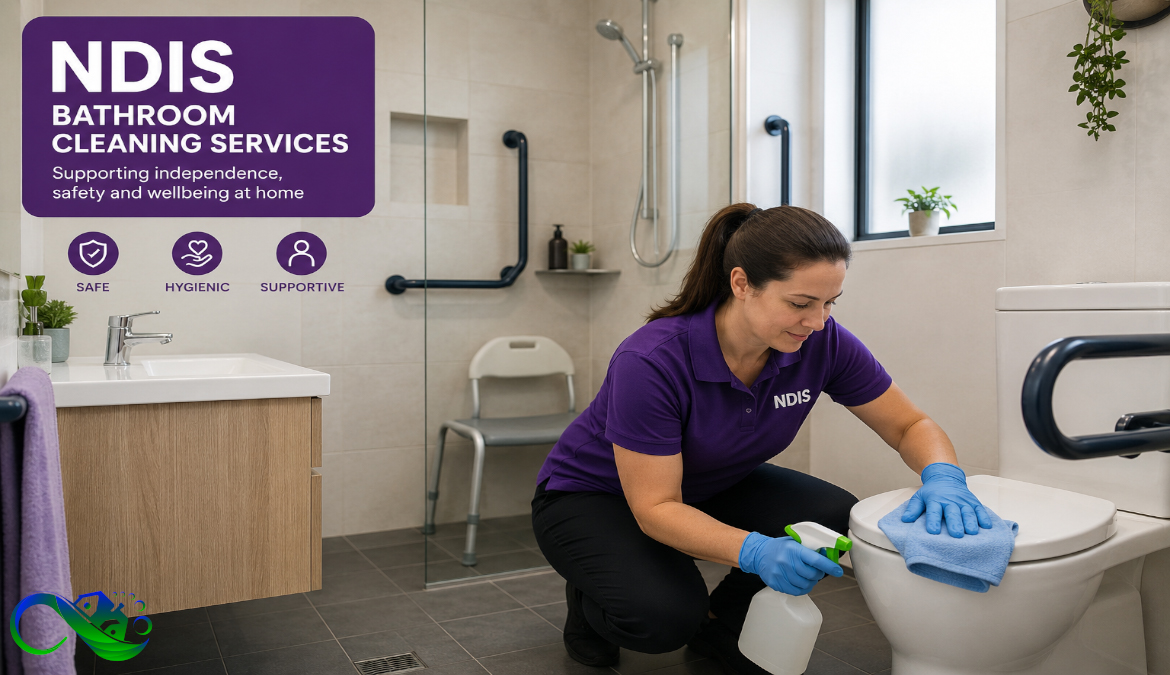
NDIS bathroom cleaning services are designed to provide practical support with maintaining clean, sanitised, and safe bathroom spaces, helping participants live more independently at home.
What Are NDIS Bathroom Cleaning Services?
NDIS bathroom cleaning services provide professional assistance to clean and maintain bathroom areas for participants who are unable to do so independently due to disability or health conditions.
These services typically include cleaning toilets, showers, sinks, floors, tiles, removing mold and soap build-up, and ensuring the bathroom is hygienic and safe to use.
In many cases, this support may be funded under NDIS Core Supports or Household Tasks, depending on the participant’s plan and goals just like other services such as NDIS carpet cleaning.
Key Takeaway
NDIS bathroom cleaning is typically funded when it supports a participant’s independence, safety, and daily living needs. Approval depends on individual circumstances rather than a fixed rule.
- Funding is usually available under Core Supports or Household Tasks
- Eligibility depends on functional limitations caused by disability
- Safety and hygiene risks are key factors in approval decisions
- Support coordinators can help justify and arrange services
- Each participant’s plan is assessed individually, not generically
What Is Included in NDIS Bathroom Cleaning Services?
NDIS bathroom cleaning services in Adelaide are designed to maintain a high standard of hygiene, safety, and accessibility in one of the most important areas of the home. The exact scope can vary depending on the participant’s needs, but most professional providers follow a structured checklist to ensure consistency and quality.
These bathroom cleaning tasks are typically included as part of comprehensive NDIS cleaning services in Adelaide or Darwin, Melbourne and etc.
Core Bathroom Cleaning Tasks
These are the standard tasks included in most NDIS bathroom cleaning services:
- Cleaning and disinfecting toilets (inside and outside)
- Scrubbing showers, bathtubs, and shower screens
- Removing soap scum, grime, and water stains
- Cleaning bathroom sinks and taps
- Wiping mirrors and glass surfaces
- Mopping and sanitising bathroom floors
- Emptying bathroom bins
- Wiping down high-touch surfaces (handles, switches, rails)
Deep Cleaning & Hygiene Focus Areas
For bathrooms that require more intensive cleaning, especially in cases where there has been long-term build-up or health-related concerns, providers may also include:
- Mould and mildew removal from tiles and grout
- Deep scrubbing of wall tiles and corners
- Drain cleaning and odour control
- Descaling taps and shower heads
- Detailed cleaning of hard-to-reach areas
Accessibility & Safety-Oriented Cleaning
Because NDIS services are participant-focused, cleaning is not just about appearance — it is also about safety and usability:
- Ensuring floors are non-slippery after cleaning
- Sanitising grab rails and support bars
- Keeping pathways clear and accessible
- Reducing fall risks by removing water and residue build-up
Optional or Add-On Tasks (Depending on Plan & Provider)
Some participants may also request additional support such as:
- Organising bathroom essentials (toiletries, towels)
- Light decluttering of bathroom storage
- Cleaning behind accessible fixtures
- Combined bathroom + laundry wet-area cleaning
Important Note
The exact tasks included will depend on:
- The participant’s NDIS plan and funding category
- Level of support required
- Recommendations from support coordinators or allied health professionals
- The service agreement with the provider
Why NDIS Bathroom Cleaning Matters for Participants
For many NDIS participants, bathroom cleaning is not just a household chore, it is directly linked to safety, health, and independence. Bathrooms are one of the highest-risk areas in the home, and without proper maintenance, small issues can quickly become serious problems.
Professional bathroom cleaning support helps reduce these risks while improving day-to-day comfort and wellbeing.
Reducing Safety Risks at Home
Bathrooms are naturally slippery and can become hazardous when not properly cleaned. For participants with mobility limitations or balance issues, this risk is even higher.
NDIS bathroom cleaning helps by:
- Removing water residue and slippery build-up
- Preventing mold growth that can affect air quality
- Keeping floors and surfaces dry and safe
- Reducing the risk of slips, trips, and falls
Improving Hygiene and Health
Poor bathroom hygiene can lead to bacteria build-up, infections, and unpleasant living conditions. This is especially important for participants with weakened immune systems or ongoing health conditions.
Regular cleaning supports:
- Better infection control and sanitation
- Reduction of mold and mildew exposure
- Cleaner air quality in enclosed spaces
- A healthier daily living environment
Supporting Independence and Daily Living
One of the key goals of the NDIS is to support participants to live as independently as possible. Bathroom cleaning plays a direct role in this goal.
With professional support, participants can:
- Maintain their personal routines without physical strain
- Reduce reliance on family members or careers for cleaning tasks
- Focus energy on daily activities and therapy goals
- Feel more in control of their home environment
Reducing Stress for Participants and Careers
Cleaning a bathroom can be physically demanding and mentally exhausting. When this responsibility is removed or reduced, it can significantly improve quality of life.
Benefits include:
- Less physical fatigue for participants
- Reduced pressure on informal careers
- More time and energy for important daily activities
- A cleaner space without added stress
Creating a More Comfortable Living Space
A clean bathroom also has a psychological impact. It improves comfort, dignity, and overall satisfaction with the home environment.
Participants often report:
- Feeling more relaxed in a clean environment
- Increased confidence in receiving visitors or support workers
- Greater sense of dignity and wellbeing at home
How NDIS Bathroom Cleaning Works
NDIS bathroom cleaning services in Melbourne are usually delivered through a simple and structured process designed to be easy for participants, careers, and support coordinators. The goal of NDIS cleaning services in Melbourne or other cities is to provide consistent support without creating extra stress or complexity.
Step 1: Initial Assessment or Discussion
The process usually begins with a short assessment or conversation to understand the participant’s needs.
This may include:
- Current challenges with bathroom cleaning
- Level of mobility or support required
- Specific hygiene or safety concerns
- Frequency of cleaning needed
- Any preferences or routines
This step helps ensure the service is tailored, not generic.
Step 2: Service Agreement and NDIS Plan Alignment
Once needs are identified, the provider checks whether the service aligns with the participant’s NDIS plan.
At this stage:
- Funding category is reviewed (e.g. Core Supports / Household Tasks)
- Scope of cleaning tasks is confirmed
- Schedule and frequency are agreed
- Expectations for both sides are set clearly
This ensures everything is transparent before the service starts.
Step 3: Scheduling the Cleaning Service
After approval, a cleaning schedule is arranged based on the participant’s routine and preferences.
Common scheduling options include:
- Weekly cleaning
- Fortnightly visits
- One-off deep cleaning sessions
- Flexible scheduling based on changing needs
The focus is on consistency and convenience for the participant.
Step 4: Professional Bathroom Cleaning Service
On the day of service, trained cleaners carry out the bathroom cleaning tasks according to the agreed checklist.
Typically, this includes:
- Disinfecting toilets, sinks, and surfaces
- Cleaning showers, tiles, and screens
- Removing mould, soap scum, and stains
- Mopping and sanitising floors
- Ensuring the space is safe and usable after cleaning
The work is done with attention to hygiene, safety, and respect for the participant’s home.
Step 5: Quality Check and Communication
After cleaning, providers usually ensure quality standards are met and communicate with the participant or support person if needed.
This may include:
- Confirming completion of all tasks
- Addressing any specific concerns
- Adjusting future visits if required
- Ensuring participant satisfaction
Step 6: Ongoing Support and Adjustments
NDIS needs can change over time, so services are often flexible.
Participants can:
- Adjust cleaning frequency
- Request additional tasks
- Update preferences as needed
- Review service with their provider or coordinator
This ensures long-term support remains effective and relevant.
Can NDIS Fund Bathroom Cleaning Services?
NDIS bathroom cleaning services may be funded under specific conditions, depending on the participant’s individual plan, goals, and level of functional support needs. It is not automatically included for everyone, but it is commonly approved when it is considered reasonable and necessary.
When NDIS Covers Bathroom Cleaning
Bathroom cleaning is usually funded when a participant is unable to safely or independently complete household cleaning tasks due to their disability.
It may be included under:
- Core Supports
- Assistance with Daily Life
- Household Tasks
This support is generally approved when cleaning is directly linked to improving safety, hygiene, and independent living at home.
What Determines Eligibility?
NDIS does not provide funding based on the task itself, but rather on the participant’s functional needs. Several factors are considered:
- Level of physical mobility and ability
- Impact of disability on daily household tasks
- Risk to health and safety if cleaning is not supported
- Recommendations from allied health professionals or support coordinators
- Goals outlined in the participant’s NDIS plan
If bathroom cleaning is considered essential for maintaining a safe living environment, it is more likely to be included.
When It May Not Be Covered
In some cases, bathroom cleaning may not be funded, such as when:
- The participant is assessed as capable of completing the task independently
- The request is considered general home maintenance rather than disability-related support
- The cleaning falls outside reasonable and necessary support criteria
In these situations, participants may need to access private cleaning services instead.
Role of Support Coordinators
Support coordinators often play a key role in helping participants access bathroom cleaning services through NDIS funding.
They can:
- Help justify the need for cleaning support in the plan
- Connect participants with approved providers
- Ensure services align with funding categories
- Assist in plan reviews if needs change
Frequently Asked Questions about NDIS Bathroom Cleaning Services
What does NDIS bathroom cleaning include?
NDIS bathroom cleaning typically includes cleaning and disinfecting toilets, showers, sinks, mirrors, floors, and tiles. It also covers removing mould, soap scum, and bacteria to maintain a safe and hygienic bathroom environment.
Is bathroom cleaning covered by NDIS funding?
Yes, in many cases it can be covered under Core Supports or Household Tasks if the participant is unable to complete cleaning due to their disability. Approval depends on individual needs and goals within the NDIS plan.
How often can NDIS bathroom cleaning be provided?
The frequency depends on the participant’s needs and funding. It may be provided weekly, fortnightly, or as occasional deep cleaning, depending on what is approved in the plan.
Do I need a support coordinator to access bathroom cleaning services?
Not always. However, a support coordinator can help you understand your plan, connect you with providers, and ensure bathroom cleaning services are properly funded and arranged.
What is the difference between NDIS cleaning and regular cleaning services?
NDIS cleaning is specifically designed for participants with disabilities. It focuses on safety, accessibility, and support needs rather than general household cleaning, and it is delivered with a participant-centred approach.
Can I choose my own NDIS cleaning provider?
Yes, participants can usually choose their preferred provider as long as the service is aligned with their NDIS plan and funding arrangements.
What areas of the bathroom are most important to clean?
High-priority areas include toilets, showers, sinks, floors, and any surfaces that are frequently touched. These areas are critical for hygiene and safety.
Can bathroom cleaning be combined with other household tasks?
Yes, many providers offer bundled services that include bathroom cleaning along with kitchen cleaning, laundry assistance, or general household tasks.
Conclusion
NDIS bathroom cleaning services play an important role in supporting participants to maintain a safe, hygienic, and comfortable home environment. For many people, this type of support is not just about cleaning it is about improving daily living, reducing risks, and promoting independence.
When included in an NDIS plan, bathroom cleaning can significantly reduce the physical and mental burden of household maintenance, allowing participants to focus on their health, routines, and personal goals.
If you are unsure whether bathroom cleaning is included in your plan, speaking with your support coordinator or provider can help clarify your options and ensure you are receiving the right level of support.
Also, A Max Clean Group provides NDIS carpet cleaning in Adelaide, Darwin, Melbourne, … . These services can also complement the NDIS cleaning checklist, ensuring every part of the home, including carpets, is cleaned to a consistently high standard.
Get NDIS Bathroom Cleaning Support Today
If you need reliable and professional NDIS bathroom cleaning services as a part of your NDIS cleaning services in Darwin, Melboure,Adelaide and etc, you can easily book your service or get more information through our online booking form it’s completely free and takes just a few minutes.
You can also speak directly with our team to discuss your needs and arrange the right support for your NDIS plan.
- FREE ONLINE BOOKING FORM
- Or call us directly at +61449540502 to get started
We’re here to help you maintain a cleaner, safer, and more comfortable home with flexible NDIS-supported cleaning services.