
When moving out of a rental property, many tenants assume that a regular house clean is enough to satisfy their landlord or property manager. After all, if the home looks tidy and smells fresh, what more could be required?
Unfortunately, this assumption often leads to problems during the final inspection. End of lease cleaning follows a much higher standard than routine household cleaning. While regular cleaning focuses on maintaining a comfortable living environment, end of lease cleaning is designed to return the property to a condition that meets tenancy agreement requirements and inspection expectations.
This distinction is important because even a well-maintained home can fail a final inspection if areas such as the oven, skirting boards, window tracks, exhaust fans, or built-up bathroom grime have not been cleaned thoroughly. In many cases, tenants who perform only a standard clean may face additional cleaning costs or deductions from their bond.
In this guide, we’ll compare end of lease cleaning and regular cleaning side by side, explain the key differences, and help you determine which option is appropriate for your situation before handing back the keys.
End of Lease Cleaning vs Regular Cleaning
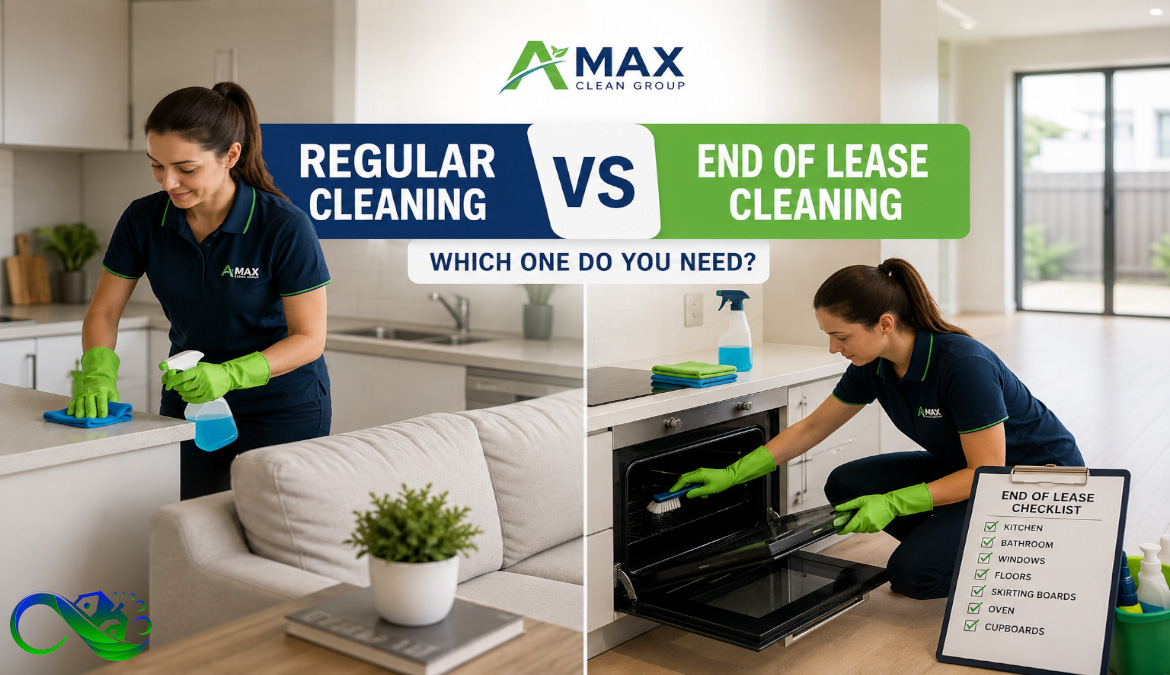
The main difference is the level of detail and the purpose of the cleaning. Regular cleaning in Adelaide is designed to keep your home tidy and comfortable for everyday living. It typically includes tasks such as vacuuming, mopping, wiping surfaces, cleaning bathrooms, and removing general dust and dirt.
End of lease cleaning, on the other hand, is a comprehensive deep clean performed before a tenant moves out. The goal is to meet the standards expected by landlords, property managers, and real estate agents during the final inspection. This often includes cleaning areas that are rarely addressed during routine household cleaning, such as ovens, range hoods, window tracks, skirting boards, light fittings, and built-up grime in kitchens and bathrooms.
If you are continuing to live in the property, regular cleaning is usually sufficient. However, if you are preparing to return a rental property and maximise your chances of receiving your full bond back, end of lease cleaning is generally the more appropriate option.
Key Takeaways
- Regular cleaning focuses on maintaining a clean and comfortable living space, while end of lease cleaning is designed to meet final inspection standards.
- End of lease cleaning is significantly more detailed and covers areas that are often overlooked during routine cleaning.
- Property managers and real estate agents assess cleanliness differently from how tenants typically maintain a home.
- A property that appears clean can still fail a final inspection if high-detail areas such as ovens, window tracks, skirting boards, and bathroom fixtures are not cleaned thoroughly.
- End of lease cleaning can help reduce the risk of bond deductions and cleaning disputes after moving out.
- If you are returning a rental property, a standard clean may not be enough to satisfy lease agreement requirements.
Why Many Tenants Confuse End of Lease Cleaning with Regular Cleaning
It’s easy to see why many tenants assume that a regular clean and an end of lease clean are essentially the same thing. In everyday life, most people judge cleanliness by appearance. If the floors are vacuumed, the benches are wiped down, and the bathrooms look clean, the property seems ready for inspection.
However, property managers and real estate agents assess a rental property differently. During a final inspection, they are not simply looking for a home that appears tidy. They are checking whether the property has been returned in a condition that aligns with the tenancy agreement and the standard expected when the tenant moved in.
This difference in perspective is where many problems begin. A tenant may spend several hours cleaning before moving out and genuinely believe the property is spotless. Yet the inspection may reveal grease inside the oven, dust on skirting boards, marks on walls, soap residue in shower screens, or dirt trapped in window tracks. While these issues may seem minor, they are often flagged during end of lease inspections.
Another reason for the confusion is that both services involve similar basic tasks, such as vacuuming, mopping, dusting, and bathroom cleaning. The difference lies in the depth, detail, and inspection-focused approach of end of lease cleaning. Areas that are rarely addressed during routine household cleaning suddenly become important because they can affect the outcome of the final inspection.
Understanding this distinction can help tenants avoid unexpected cleaning requests, delays in bond refunds, and unnecessary disputes with landlords or property managers.
End of Lease Cleaning vs Regular Cleaning: A Side-by-Side Comparison
While both services aim to improve the cleanliness of a property, they serve very different purposes. The table below highlights the key differences between regular cleaning and end of lease cleaning.
| Feature | Regular Cleaning | End of Lease Cleaning |
|---|---|---|
| Primary Purpose | Maintain a clean and comfortable home | Prepare a rental property for final inspection |
| Cleaning Standard | Everyday cleanliness | Inspection-level cleanliness |
| Frequency | Weekly, fortnightly, or monthly | Usually performed when moving out |
| Target Audience | Occupants living in the property | Tenants returning a rental property |
| Attention to Detail | Moderate | Extensive |
| Oven Cleaning | Often excluded or cleaned lightly | Deep cleaned inside and out |
| Window Tracks & Frames | Rarely cleaned | Thoroughly cleaned |
| Skirting Boards | Occasionally dusted | Detailed cleaning required |
| Wall Marks | Often ignored | Removed where possible |
| Range Hood & Filters | Not always included | Commonly included |
| Bond Protection | Not a primary goal | Helps reduce the risk of bond deductions |
| Inspection Focus | No formal inspection standard | Designed to meet landlord and property manager expectations |
For tenants preparing to move out, the most important difference is that end of lease cleaning is not judged by how clean the property looks at first glance. Instead, it is assessed against detailed inspection criteria that often include areas most people do not clean during their regular household routine.
This is why a property that appears clean enough for everyday living may still require additional work before it is ready for a final rental inspection.
What Does Regular Cleaning Typically Include?
Regular cleaning in Melbourne is focused on maintaining a clean, hygienic, and comfortable living environment during day-to-day life. It is not designed to be intensive or inspection-level, but rather to keep dirt, dust, and clutter under control so the home remains pleasant to live in.
In most homes, regular cleaning typically includes vacuuming carpets and rugs, mopping hard floors, and wiping down frequently used surfaces such as kitchen benches and dining tables. Bathrooms are usually cleaned on a basic level, including wiping sinks, cleaning toilets, and removing visible dirt from showers.
Dusting is also a core part of regular cleaning, covering accessible surfaces like shelves, furniture, and electronics. In the kitchen, routine cleaning often involves washing dishes, wiping stovetops, and cleaning external surfaces of appliances, but not deep internal cleaning.
Light organisation tasks such as tidying rooms, making beds, and general clutter removal are also commonly included. However, most of these tasks are done at surface level, meaning hidden or hard-to-reach areas are often not addressed.
Overall, regular cleaning is about upkeep rather than deep restoration. It keeps the home in a livable condition but does not focus on detailed or inspection-specific cleaning tasks.
What Does End of Lease Cleaning Include?
End of lease cleaning is a far more detailed and comprehensive process designed to meet strict rental inspection standards. It is not just about making the property look clean, but about restoring it to a condition that satisfies landlords and property managers during the final inspection.
In the kitchen, end of lease cleaning includes deep cleaning all surfaces, removing grease and grime from stovetops and splashbacks, and thoroughly cleaning inside and outside of the oven. Cupboards are cleaned inside and out, and range hoods and filters are degreased and sanitised.
Bathrooms are cleaned in detail, including scrubbing showers, bathtubs, toilets, sinks, taps, tiles, and grout. Special attention is given to removing soap scum, mould, and limescale buildup, which are common inspection focus points.
Living areas and bedrooms are also cleaned to a higher standard than regular maintenance cleaning. This includes vacuuming carpets thoroughly, mopping floors, wiping skirting boards, cleaning doors and door frames, and removing dust from less frequently touched surfaces.
Windows are cleaned inside and wherever safely accessible outside, along with tracks, frames, and sills. These areas are often missed during regular cleaning but are commonly checked during inspections.
Additional tasks usually include cleaning light fittings, switches, ceiling fans, air vents, and exhaust fans. Built-in wardrobes and storage spaces are also cleaned inside to ensure no hidden dust or debris is left behind.
In some cases, light wall spot cleaning is also included to remove marks that may affect the inspection outcome.
Overall, end of lease cleaning is designed to be thorough enough to meet rental agreement requirements and maximise the chances of receiving the full bond back without deductions.
Why End of Lease Cleaning Requires a Higher Standard
The main reason end of lease cleaning is more demanding than regular cleaning comes down to accountability. When you are living in a property, cleanliness is a matter of personal comfort. But when you are moving out, it becomes a formal requirement tied to your rental agreement and bond refund.
Property managers and landlords do not assess the home based on general appearance. Instead, they follow a detailed inspection checklist that compares the property’s current condition to the original entry condition report. This means even small issues that are normally ignored in daily life can become significant during inspection.
For example, light dust on a shelf might not matter during regular cleaning, but during an end of lease inspection, it can be considered incomplete cleaning. The same applies to areas like oven interiors, window tracks, skirting boards, and behind appliances, which are rarely part of routine cleaning but are closely checked at the end of a tenancy.
Another important factor is turnover expectations. Rental properties are expected to be handed over in a condition that allows the next tenant to move in without additional cleaning work. This is why end of lease cleaning must go beyond surface-level cleanliness and address hidden dirt, buildup, and long-term grime.
Because of these stricter expectations, many tenants underestimate the time, effort, and detail required. What feels “clean enough” in everyday life often does not meet the standard required for a successful final inspection.
When Regular Cleaning Is Completely Enough
Despite the higher standards of end of lease cleaning, regular cleaning is still perfectly sufficient in most everyday situations. In fact, it is the only cleaning method needed for people who are actively living in their home and have no plans to move out.
If your goal is simply to maintain hygiene and comfort, regular cleaning is designed exactly for that purpose. It prevents dirt buildup, keeps surfaces sanitary, and ensures your living space remains pleasant without requiring deep or time-consuming cleaning sessions.
Regular cleaning is also ideal for busy households where time is limited. Instead of focusing on perfection, it prioritises consistency. Small, routine tasks done weekly or fortnightly are usually enough to keep the home in good condition.
In rental situations, regular cleaning is what keeps the property manageable throughout the tenancy. However, it is important to understand that maintaining cleanliness during your stay does not automatically guarantee that the property will meet end of lease standards later. That final step still requires a different level of attention.
So in simple terms, regular cleaning is for living, while end of lease cleaning is for leaving.
Can Regular Cleaning Ever Be Enough for Moving Out?
In some limited situations, tenants assume that if they have maintained a very high standard of regular cleaning throughout their tenancy, they might not need a separate end of lease clean. While it is true that consistent upkeep makes the final clean easier, it rarely replaces the need for a proper end of lease clean.
The reason is simple: even well-maintained homes naturally develop hidden or gradual buildup over time. Grease slowly accumulates inside ovens and range hoods, dust settles in window tracks and skirting corners, and bathroom areas develop light limescale or soap residue that regular cleaning does not fully remove. These issues are often not noticeable in day-to-day living, but they are visible during a detailed inspection.
There are a few rare cases where a tenant might come close to meeting end of lease standards through regular cleaning alone. For example, if the tenancy is very short, the property is already in excellent condition at move-in, and the tenant has maintained an unusually thorough cleaning routine, the gap between regular and end of lease cleaning may be smaller.
However, even in these cases, property managers still expect inspection-level detail. This is why many tenants who believe their home is “already clean enough” are still asked to perform additional cleaning after the final inspection.
In most practical situations, regular cleaning reduces the workload of end of lease cleaning but does not eliminate it. It helps you start closer to the required standard, but it does not usually meet the full inspection criteria on its own.
A Real Tenant Experience: What Happens When You Confuse the Two
To understand the difference between regular cleaning and end of lease cleaning more clearly, it helps to look at a real-life type of situation many tenants go through.
A tenant had lived in a two-bedroom rental apartment for almost two years. Throughout their tenancy, they were very consistent with regular cleaning. Floors were vacuumed weekly, kitchen surfaces were wiped daily, and bathrooms were kept tidy. From their perspective, the property was always in “clean condition”.
When it came time to move out, they assumed a final weekend clean would be enough. They spent a full day vacuuming, mopping, wiping surfaces, and cleaning bathrooms. By the end of it, the apartment looked spotless to them. They were confident they would pass inspection and receive their full bond back without issues.
However, during the final inspection, the property manager pointed out several overlooked areas. There was grease buildup inside the oven, dust along skirting boards, marks on the walls near door handles, and dirt trapped in window tracks. The bathroom also had light soap residue on the shower screen that was not noticeable at first glance.
Individually, none of these issues seemed major. But together, they meant the property did not meet the required end of lease standard. The tenant was given a short timeframe to complete additional cleaning before the bond could be fully released.
In the end, the tenant realised that their regular cleaning routine had kept the home looking good day-to-day, but it did not prepare the property for inspection-level expectations. The experience made it clear that end of lease cleaning is not about how clean a home looks in everyday life, but about meeting a much more detailed standard at the point of handover.
This type of situation is very common, especially for tenants who are moving out for the first time or have never dealt with a formal rental inspection before.
Final Comparison: End of Lease Cleaning vs Regular Cleaning in Simple Terms
To make everything clearer, it helps to summaries the difference in a simple and practical way.
Regular cleaning is what you do to live comfortably in a home. It is ongoing, repetitive, and focused on keeping things hygienic and visually clean. It prevents dirt from building up and helps maintain a basic level of order in your daily environment.
End of lease cleaning in Adelaide is what you do when you are preparing to leave that home. It is not about maintenance anymore. It is about restoration. The goal is to return the property to a condition that meets formal inspection standards, which are significantly stricter than everyday living standards.
In regular cleaning, small imperfections are acceptable as long as the home is usable and pleasant. In end of lease cleaning, those same imperfections can become issues that affect your bond return.
Another key difference is responsibility. Regular cleaning is for your own comfort, while end of lease cleaning is tied to an agreement with your landlord or property manager. This is why the expectations are higher and more detailed.
Understanding this distinction helps avoid one of the most common mistakes tenants make: assuming that “clean enough to live in” is the same as “clean enough to move out”.
Frequently Asked Questions About End of Lease Cleaning vs Regular Cleaning
Is end of lease cleaning compulsory when moving out?
End of lease cleaning in Melbourne is not always legally “compulsory”, but it is effectively required in most rental agreements. Tenancy contracts usually state that the property must be returned in the same condition as the entry report, allowing for fair wear and tear. In practice, this means a full end of lease clean is expected to avoid bond deductions or disputes.
Can I just do regular cleaning instead of end of lease cleaning?
In most cases, regular cleaning is not enough. While it helps maintain the property during your stay, it does not meet inspection-level standards required at the end of a tenancy. Regular cleaning usually misses deep areas such as ovens, window tracks, skirting boards, and built-up bathroom grime, which are commonly checked during final inspections.
How long does end of lease cleaning usually take?
The time required depends on the size and condition of the property. A small apartment may take several hours, while larger homes can take a full day or more if done properly. If the property has not been maintained consistently, the process can take even longer.
Does end of lease cleaning guarantee my bond back?
No cleaning service can guarantee a full bond refund, because final decisions are made by the property manager based on inspection results. However, a proper end of lease clean significantly increases the chances of passing inspection and reduces the risk of cleaning-related deductions.
What happens if the property fails inspection after cleaning?
If the property fails inspection, tenants are usually given a short period to fix the issues. This may involve additional cleaning or re-cleaning specific areas. In some cases, the landlord may arrange cleaning and deduct the cost from the bond if the standards are not met.
Conclusion
Both regular cleaning and end of lease cleaning play important roles, but they are designed for completely different purposes.
Regular cleaning helps you maintain a healthy and comfortable living space throughout your tenancy. It is simple, practical, and focused on day-to-day upkeep.
End of lease cleaning, however, is a final, detailed process that ensures the property meets inspection standards before you hand back the keys. It goes far beyond surface cleaning and includes areas that are often missed in everyday routines.
If you are staying in your home, regular cleaning is enough. But if you are preparing to move out, end of lease cleaning is the safer choice to protect your bond and avoid unnecessary disputes.
By understanding the difference between the two, tenants can plan better, reduce stress during moving, and improve their chances of a smooth and successful final inspection.
At A Max Clean Group, we provide detailed end of lease cleaning services designed to meet real estate inspection standards and take the pressure off your move-out process. Our team focuses on every detail from kitchens and bathrooms to skirting boards, windows, and hidden areas—so your property is ready for final inspection.
You can book your cleaning service quickly through our online booking form or speak directly with our team for support.
📞 Call us today: +61 449 540 502
🌐 Or use the ONLINE BOOKING FORM on our website to schedule your end of lease cleaning at a time that suits you.
Make your move-out smoother, faster, and stress-free with a professional clean you can rely on.