

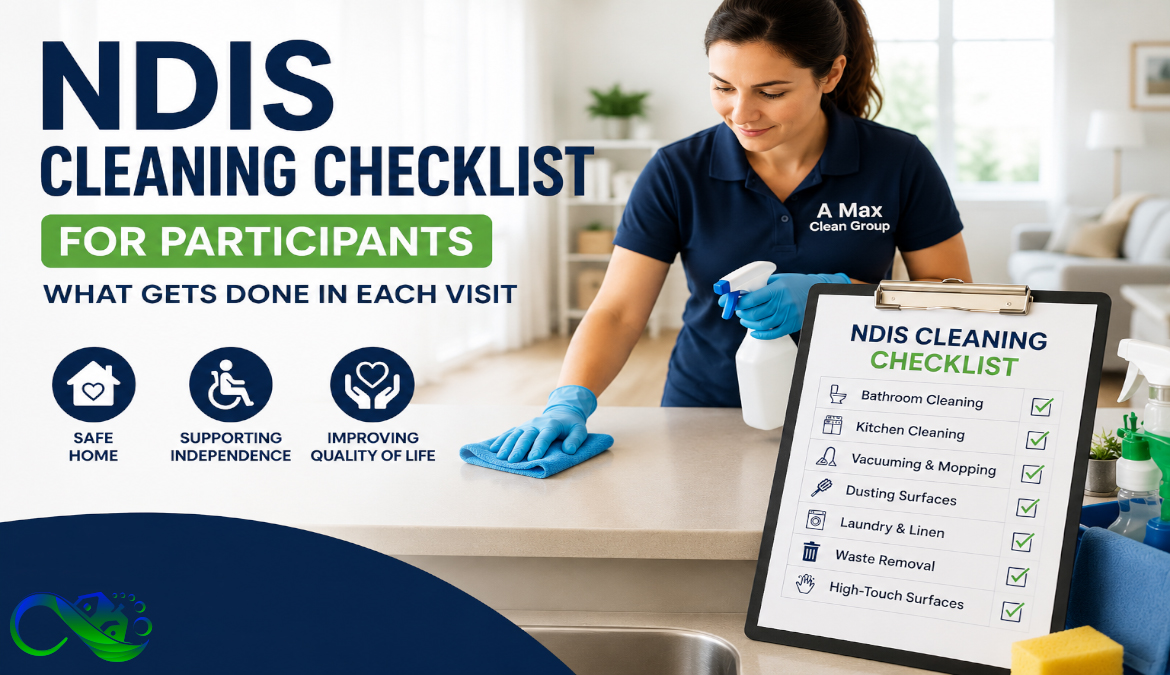
NDIS cleaning services is designed to help participants maintain a safe, hygienic, and comfortable home environment when they are unable to manage household tasks independently. One of the most common questions participants and families ask is: “What exactly gets done during each cleaning visit?”
This article from A Max Clean Group provides a clear, practical checklist of what is typically included in an NDIS cleaning visit, how tasks are prioritized, and what participants can realistically expect from their support worker or cleaner.
What Happens in an NDIS Cleaning Visit?
During a typical NDIS cleaning visit, the cleaner focuses on essential household tasks that support health, safety, and daily living, including:
- Cleaning bathrooms and toilets as NDIS bathroom cleaning services
- Kitchen hygiene cleaning
- Vacuuming and mopping floors
- Dusting surfaces and furniture
- Laundry and linen changes (if included in plan)
- General tidying and waste removal
The exact tasks depend on the participant’s NDIS plan, home needs, and agreed service agreement.
What Is an NDIS Cleaning Checklist?
An NDIS cleaning checklist is a structured guide used by providers and support workers to ensure all essential cleaning tasks are completed consistently during each visit.
It helps to:
- Maintain hygiene standards
- Ensure nothing important is missed
- Align cleaning with participant needs
- Track completed tasks for reporting and billing
NDIS cleaning services are funded under Core Supports – Assistance with Daily Living through the National Disability Insurance Scheme.
Standard NDIS Cleaning Checklist (What Gets Done in Each Visit)
Below is a realistic breakdown of what typically happens in a standard visit.
1. Bathroom Cleaning Tasks
Bathrooms are a high-priority area due to hygiene and infection control.
Checklist includes:
- Cleaning and disinfecting toilet (inside and outside)
- Scrubbing shower and bathtub
- Cleaning sink and taps
- Wiping mirrors and surfaces
- Removing visible soap scum and grime
- Mopping bathroom floor
- Emptying bathroom bins
Why it matters:
Bathrooms are high-risk hygiene zones, especially for participants with mobility limitations or medical vulnerabilities.
2. Kitchen Cleaning Tasks
NDIS kitchen cleaning services focuses on hygiene and food safety.
Checklist includes:
- Wiping benches and countertops
- Cleaning stovetop and splashback
- Washing dishes or loading/unloading dishwasher
- Cleaning sink and taps
- Wiping fridge exterior handles and surfaces
- Removing food waste and cleaning bin area
- General surface disinfection
Why it matters:
A clean kitchen reduces risks of bacteria growth, pests, and food contamination.
3. Living Room & Common Areas
These areas are cleaned to maintain comfort and accessibility.
Checklist includes:
- Vacuuming carpets and rugs
- Mopping hard floors
- Dusting furniture and shelves
- Wiping high-touch surfaces (remotes, switches, handles)
- Light organisation of items (if required)
- Tidying accessible areas
Why it matters:
Clean living spaces support mental wellbeing and reduce fall hazards.
Note: NDIS carpet cleaning by A Max Clean Group, is ready to provide services for NDIS carpet cleaning Melbourne, Adelaide, darwin,… . Whether you need NDIS carpet cleaning in Adelaide, Darwin or other cities, you can choose the city and the right service for booking on website.
4. Bedroom Cleaning Tasks
Bedrooms are cleaned to support rest, hygiene, and routine.
Checklist includes:
- Making beds
- Changing bed linen (if scheduled)
- Light tidying of clothes
- Dusting surfaces and bedside tables
- Vacuuming or mopping floors
- Organising accessible items
5. Laundry & Linen Support (If Included)
Some participants receive laundry assistance depending on their plan.
Checklist includes:
- Washing clothes
- Drying laundry
- Folding and organising clothes
- Changing bed sheets
- Sorting clean and dirty laundry
6. Waste Management
Basic household waste is handled during each visit.
Checklist includes:
- Emptying all bins
- Replacing bin liners
- Removing rubbish from bathrooms, kitchen, and bedrooms
- Ensuring waste is disposed of safely
7. High-Touch Surface Cleaning (Important Safety Step)
This is often overlooked but very important.
Checklist includes:
- Door handles
- Light switches
- Remote controls
- Handrails (if present)
- Frequently used surfaces
Why it matters:
Reduces spread of germs and improves hygiene safety.
What Is NOT Usually Included in the Checklist?
It’s equally important to understand limits of NDIS cleaning support.
Generally NOT included:
- Exterior window cleaning or high-access cleaning
- Heavy lifting or furniture moving
- Deep renovation or construction cleaning
- Garden maintenance
- Commercial-scale cleaning
- Unapproved deep-cleaning extras
These may require separate approval or additional services.
How the Checklist Is Adjusted for Each Participant
No two NDIS cleaning visits are exactly the same. The checklist is customised based on:
- Level of disability and mobility
- Home size and layout
- NDIS plan funding and goals
- Frequency of visits (weekly vs fortnightly)
- Participant preferences and routines
For example:
- A high-support participant may receive full-room cleaning
- A low-support participant may only need bathrooms and kitchen
Real-World Experience: How a Visit Actually Feels
From a user experience perspective, a good NDIS cleaning visit is not just about ticking boxes it’s about support, respect, and consistency.
Participants often value:
- Having the same cleaner each visit
- Clear communication before and during tasks
- Respect for personal belongings and privacy
- Flexibility if priorities change (e.g., focusing more on bathroom one week)
- A predictable routine that reduces stress
Good providers treat the checklist as a guide, not a rigid rulebook.
How Often Is the Checklist Completed?
The full checklist may be completed:
- Weekly (most common)
- Fortnightly (lighter support)
- Split across multiple visits (high-needs participants)
In some cases, tasks are rotated (e.g., deep kitchen one week, extra bathroom focus next).
A Real-Life Example: What an NDIS Cleaning Visit Looks Like
To better understand how an NDIS cleaning checklist works in practice, here’s a simple real-life example of a participant’s experience during a typical visit.
Sarah is an NDIS participant living in a two-bedroom apartment and uses the ndis cleaning services in Adelaide. Due to limited mobility, she finds it difficult to manage tasks like vacuuming, bathroom cleaning, and laundry. She has a weekly cleaning support visit scheduled under her plan.
On the day of the visit, her support worker arrives at the agreed time and briefly checks in with Sarah to see if there are any priority tasks for that week. This small step is important because needs can change from week to week.
This time, Sarah mentions that her bathroom has been harder to manage and she would like extra attention there.
The cleaner then follows the usual NDIS Cleaning Services Adelaide Checklist, but adjusts focus based on Sarah’s request:
- The bathroom is cleaned thoroughly, including disinfecting surfaces, scrubbing the shower, and mopping the floor
- The kitchen is wiped down, with attention to the stovetop and sink
- Floors in the living room and bedroom are vacuumed
- Bed linen is changed and fresh sheets are put on
- Laundry is started and folded where needed
- Bins are emptied and replaced
During the visit, the cleaner works respectfully around Sarah’s belongings and ensures she can comfortably stay in her living space without disruption.
Before leaving, the support worker does a quick walkthrough with Sarah to confirm that everything she needed has been completed. Sarah feels more comfortable knowing her bathroom is now clean and safe to use for the week ahead.
For Sarah, this service is not just about cleaning it’s about maintaining independence, reducing stress, and making daily life more manageable.
Why This Experience Matters
This example shows that NDIS cleaning services are not rigid or “one-size-fits-all”. Instead, they are:
- Flexible based on weekly needs
- Focused on participant comfort and priorities
- Delivered with respect and consistency
- Designed to support independent living, not just housekeeping
Why This Checklist Matters for NDIS Participants?
A structured cleaning checklist provides:
- Predictability and transparency
- Better hygiene outcomes
- Reduced anxiety about what will be done
- Clear expectations between participant and provider
- Improved independence and quality of life
Final Thoughts
A Max Clean Group provides NDIS cleaning services in Melbourne, Darwin, Adelaide, Canberra, Sydney, Brisbane, Perth, GoldCoast, and Hobart helping participants maintain clean, safe, and comfortable homes. Our experienced and friendly cleaners are committed to delivering high-quality services that enhance participants’ daily lives and support greater independence. The NDIS cleaning checklist is the same in every city.
NDIS cleaning services in Darwin are structured around essential daily living needs, and the checklist ensures that each visit delivers consistent, meaningful support. While every home is different in every city, the core focus remains the same: maintaining hygiene, safety, and comfort so participants can live more independently.
A well-designed NDIS cleaning checklist also improves trust between participants and providers, ensuring that support is delivered in a reliable and respectful way.
Frequently Asked Questions About NDIS Cleaning Checklists
What is included in an NDIS cleaning checklist?
An NDIS Cleaning Services Melbourne checklist typically includes bathroom cleaning, kitchen cleaning, vacuuming, mopping floors, dusting surfaces, waste removal, and sometimes laundry or linen changes depending on the participant’s plan.
Does the checklist stay the same for every visit?
Not always. The checklist is usually flexible and adjusted based on the participant’s weekly needs, health condition, and priorities. Some tasks may be repeated weekly, while others rotate.
Can I request specific tasks during my cleaning visit?
Yes. Participants can usually request priority tasks at the beginning of each visit. For example, focusing more on the bathroom or kitchen if needed that week.
Are NDIS cleaners allowed to do deep cleaning?
Only basic and essential cleaning tasks are included in standard NDIS support. Deep cleaning or specialised services may require additional approval or separate arrangements.
Who decides what is included in the checklist?
The checklist is usually agreed between the participant and the provider based on the NDIS plan, funding level, and individual support needs.
Is laundry always included in NDIS cleaning services?
No, laundry is optional. It depends on the participant’s plan and the agreed service agreement with the provider.
How often is the NDIS cleaning checklist completed?
Most participants receive weekly or fortnightly visits, but frequency can vary depending on individual support requirements.
Do NDIS cleaners follow a standard procedure?
Yes, most providers use a structured checklist to ensure consistency, but they also adapt it to the participant’s home and personal needs.
Conclusion
NDIS cleaning services play an essential role in supporting participants to maintain a safe, hygienic, and comfortable home environment. A structured cleaning checklist ensures that every visit is consistent, organised, and tailored to individual needs.
Rather than being a rigid set of tasks, the checklist is designed as a flexible support tool that adapts to each participant’s lifestyle, health condition, and priorities. This balance between structure and flexibility is what makes NDIS cleaning services effective in real-life situations.
Ultimately, the goal is not just to clean a home, but to support independence, reduce daily stress, and improve overall quality of life for NDIS participants.
If you are looking for reliable and professional NDIS cleaners in Australia, A Max Clean Group provides tailored house cleaning services designed around your needs and NDIS plan requirements. Get in touch today to arrange a friendly consultation and see how we can support your daily living with consistent, respectful, and high-quality cleaning services. you can using FREE ONLINE BOOKING FORM or Calling by Phone +61449540502 to get NDIS Cleaning Services in your City
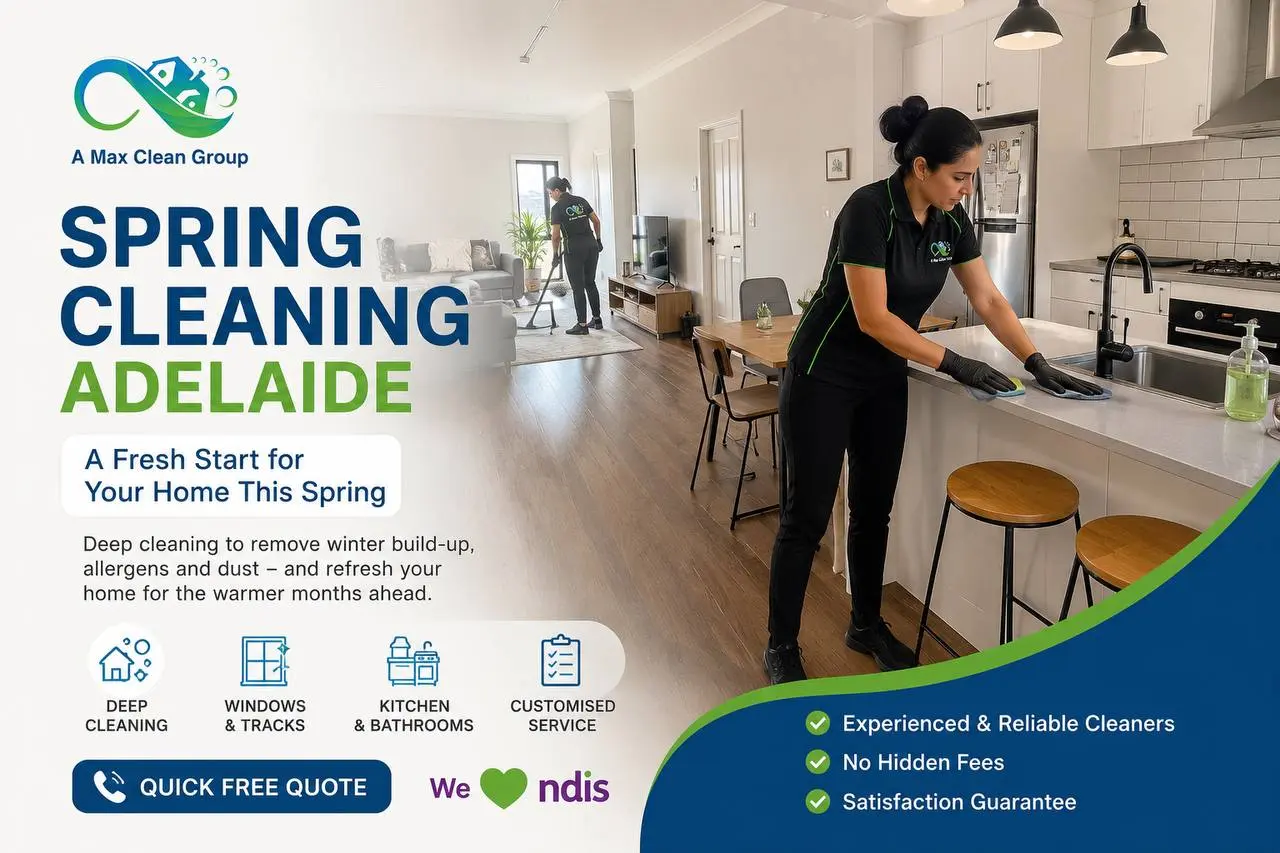
If my NDIS plan includes cleaning support, can I customise the cleaning checklist based on my individual needs, or is every visit the same?
Yes. While there is a standard NDIS cleaning checklist, it can usually be tailored to your individual needs and the supports outlined in your NDIS plan.