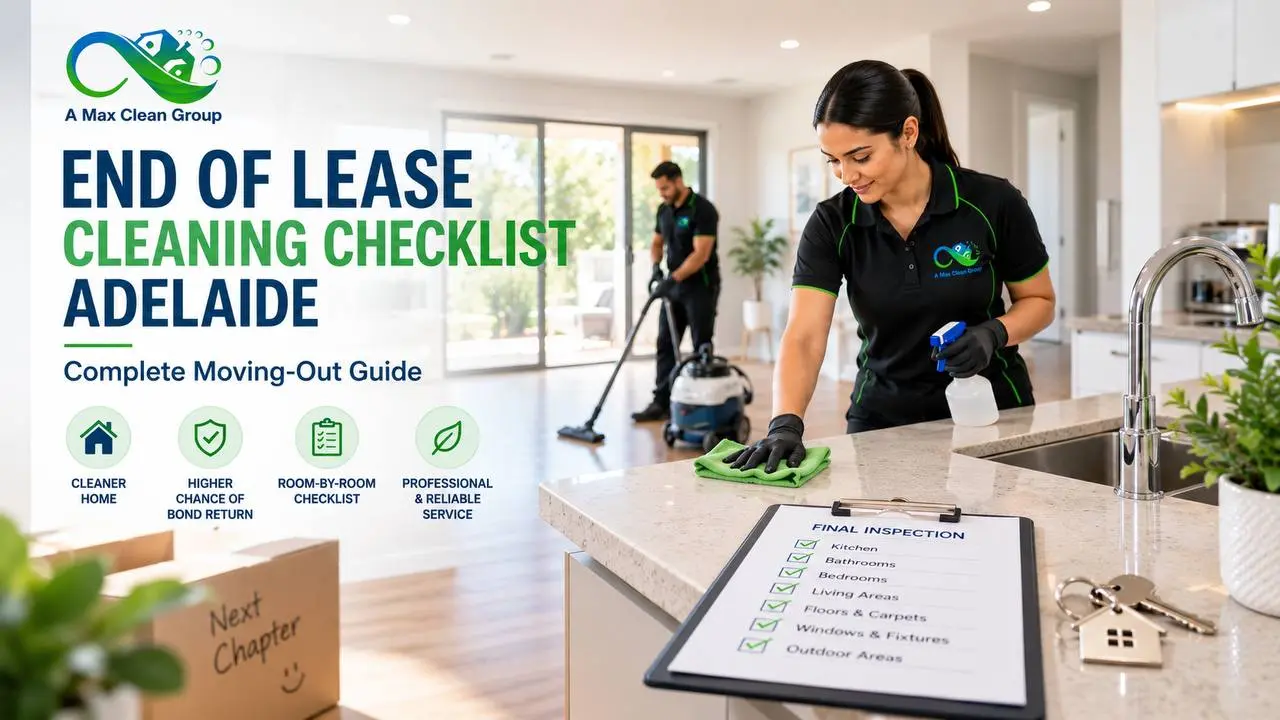

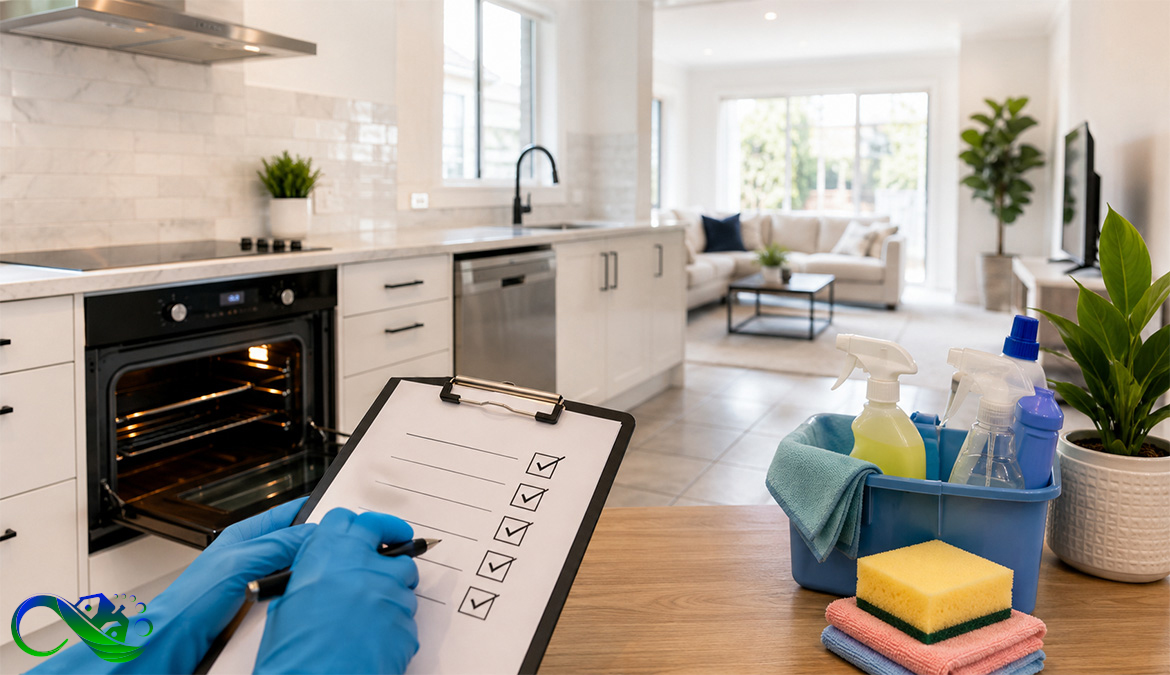
When it comes to getting your bond back, most tenants lose it because they don’t know exactly what real estate agents look for during the final inspection.
Even if your property looks “clean enough” on the surface, property managers follow a detailed checklist that compares the condition of the home against the entry report. That means small things like grease inside the oven, dust on skirting boards, or light stains on carpets can easily lead to deductions.
Understanding what real estate agents actually inspect during bond cleaning is the key to avoiding unnecessary costs and last-minute stress.
In this guide, you’ll get a clear, room-by-room breakdown of the exact areas inspectors focus on, so you can prepare your home properly and maximise your chances of getting your full bond back.
What Do Real Estate Agents Actually Inspect?
If you don’t have time to go through the full guide, here’s the short answer.
Real estate agents mainly inspect how well the property matches the original entry condition report, with a strong focus on cleanliness, damage, and missed areas.
In most end of lease inspections, they carefully check:
- Kitchen: oven, stovetop, rangehood, cupboards, and grease build-up
- Bathrooms: mould, grout, shower glass, toilet hygiene, and water stains
- Living areas & bedrooms: carpets, floors, walls, skirting boards, and dust levels
- Windows: glass, frames, and window tracks for dirt and streaks
- Hidden areas: behind doors, under furniture, light switches, vents, and corners
In simple terms, agents are not just looking at what you can see they’re checking every area where dirt builds up over time, especially spots that are often missed during regular cleaning.
If these key areas don’t meet their standard, it can easily result in cleaning deductions from your bond.
Why Real Estate Inspections Matter?
A final real estate inspection is more than a quick walk-through. The property manager compares the property’s current condition with the original entry condition report to check whether it has been returned to the required standard.
| What Is Checked? | What Agents Look For | What Could Cause a Problem? |
|---|---|---|
| Cleanliness | Overall condition of the property | Dust, stains or incomplete cleaning |
| Kitchen | Oven, stovetop, rangehood and cupboards | Grease, food residue or buildup |
| Bathrooms | Shower, grout, toilet and fixtures | Mould, water stains or soap buildup |
| Floors & Carpets | Dirt, stains and general condition | Heavy stains or excessive soiling |
| Walls & Skirting | Marks, scuffs and dust | Uncleaned marks or excessive damage |
| Windows | Glass, frames and tracks | Streaks, dirt or debris |
| Property Condition | Fixtures, fittings and other areas | Damage beyond normal wear and tear |
| Overall Standard | Consistency across the property | Some areas being clean while others are neglected |
Rental inspection cleaning checklist

Real estate agents follow a structured inspection process that covers every key part of the property. While each agency may have slightly different standards, the focus areas are almost always the same. These are the spaces where most bond deductions happen if cleaning is incomplete or inconsistent.
| Area | Quick Inspection Check |
|---|---|
| Kitchen | Check oven, stovetop, rangehood, cupboards and sink for grease, stains and residue. |
| Bathroom | Check shower glass, grout, toilet, taps and mirrors for mould, buildup and water marks. |
| Living & Bedrooms | Check floors, carpets, walls, skirting boards and vents for dust, stains and marks. |
| Windows | Check glass, frames and tracks for streaks, dirt and cobwebs. |
| Hidden Areas | Check behind doors, under furniture, switches, vents and ceiling corners. |
| Final Check | Remove all rubbish and belongings and compare the property with the entry condition report. |
This checklist gives you a final inspection-ready overview so you can quickly identify any missed areas before the real estate agent arrives.
1.Kitchen Inspection Areas
The kitchen is one of the most heavily inspected areas because grease, food residue, and stains build up quickly over time.
Agents typically check:
- Oven interior, trays, racks, and glass door for grease build-up
- Stovetop and burners for burnt-on food and oil stains
- Rangehood and filters for grease and dust accumulation
- Cupboards inside and outside for crumbs, stains, and spills
- Sink, taps, and drains for limescale and residue
Even small grease spots can lead to inspection failures in this area.
2.Bathroom Inspection Areas
Bathrooms are inspected for hygiene, mould, and water damage signs.
Agents usually focus on:
- Shower glass for soap scum and water marks
- Tiles and grout for mould or discoloration
- Toilet cleanliness inside, outside, and behind
- Basin, vanity, and taps for stains and build-up
- Mirrors and chrome fixtures for streaks
Moisture-related issues like mould are one of the most common bond deduction reasons.
3.Living Areas & Bedrooms
These areas are checked for general cleanliness and visible maintenance.
Inspectors look at:
- Carpets or floors for stains, dust, and wear
- Walls for scuff marks, fingerprints, or damage
- Skirting boards for dust accumulation
- Light fixtures, fans, and vents for hidden dust
- General cleanliness and presentation of the space
Even minor wall marks or dusty corners can be flagged.
4.Windows & Glass Areas
Windows are often overlooked by tenants but closely checked during inspections.
Agents inspect:
- Glass panels for streaks and smudges
- Window tracks for dust, dirt, and debris
- Frames for spider webs or buildup
- Blinds or curtains depending on condition
Clean, streak-free glass is considered a standard expectation.
5.Hidden and Easily Missed Areas
These are the areas most tenants forget, but agents rarely miss them.
Common inspection points include:
- Behind doors and furniture
- Under beds and sofas
- Light switches and power points
- Air vents and exhaust covers
- Corners of ceilings for cobwebs
Neglecting these areas often leads to “incomplete cleaning” notes during inspection.
What Causes Bond Deductions During Inspection?
Most tenants don’t lose their bond because the property is “dirty overall” they lose it because specific inspection points don’t meet the required standard. Real estate agents are trained to look for details, and even small issues can be flagged.
Here are the most reasons to lose bond and tenants receive cleaning-related bond deductions:
1 Grease Build-Up in the Kitchen
Oven interiors, stovetops, and rangehood filters are the biggest problem areas. Even a thin layer of grease or burnt residue is usually considered unacceptable during inspection.
2 Dirty or Stained Carpets
Carpets are heavily checked for stains, odours, and general wear. If carpet cleaning was not done (when required), or still show visible marks, deductions are very common.
3 Mould in Bathrooms
Mould on tiles, grout, ceilings, or shower screens is one of the strongest red flags for inspectors. It signals poor ventilation and long-term moisture build-up.
4 Dust in Hidden Areas
Skirting boards, vents, ceiling fans, and light fixtures are often overlooked. However, visible dust in these areas is enough for agents to classify the clean as incomplete.
5 Wall Marks and Scuff Damage
Fingerprints, furniture marks, and light scuffs on walls are compared against the entry condition report. If they weren’t cleaned or repaired, they may be charged back to the tenant.
6 Windows and Tracks Not Cleaned Properly
Smudges on glass or dirt inside window tracks are small details that agents consistently check—and frequently flag.
7 Leftover Rubbish or Items
Any personal belongings, food waste, or leftover items in cupboards, drawers, or garage spaces can lead to immediate deductions.
8 Inconsistent Cleaning
Even if most of the home is clean, a few neglected areas (like a dirty oven or dusty vents) can cause the entire inspection to fail the “professional standard” test.
Understanding these triggers helps you focus your cleaning efforts on what actually matters during inspection—not just general tidiness.
DIY Cleaning vs Professional Cleaning for Inspection Success
When preparing for an end of lease inspection, one of the biggest decisions tenants face is whether to clean the property themselves or hire professional cleaners. Both options can work, but the outcome often depends on how strict the inspection standards are and how much time and equipment you have.
1 DIY Cleaning (Doing It Yourself)
Cleaning the property yourself can seem cost-effective, especially if the home is already in relatively good condition.
Advantages:
- Lower upfront cost
- Full control over how and when cleaning is done
- Flexible timeline before inspection
Disadvantages:
- Very time-consuming, especially for full properties
- Easy to miss “inspection-critical” areas like ovens, vents, and skirting boards
- Lack of professional tools for deep grease, stains, and mould
- Higher risk of bond deductions if standards are not met
DIY cleaning works best when the property has been well maintained throughout the tenancy.
2 Professional End of Lease Cleaning
Professional cleaners follow real estate standards and structured end of lease cleaning checklist designed specifically for final inspections.
Advantages:
- Cleaning is done to inspection-level standard
- Uses professional-grade equipment for grease, stains, and mould
- Covers all hidden and detailed areas
- Saves significant time and stress during moving period
- Higher chance of passing inspection on first attempt
Disadvantages:
- Higher upfront cost compared to DIY
- Needs to be booked in advance, especially during busy periods
3 Which Option Gives Better Bond Results?
If your goal is to maximise your chances of getting a full bond refund, professional cleaning is usually the safer option. Real estate agents are strict with inspection standards, and even small missed details can lead to deductions.
However, if you are confident in your cleaning skills and the property has been regularly maintained, DIY cleaning can still be effective—provided every inspection area is carefully covered.
How A Max Clean Group Helps You Pass Inspection
Passing an end of lease inspection isn’t just about cleaning what you can see—it’s about meeting the exact standards real estate agents expect. That’s where a professional, inspection-focused cleaning team can make a real difference.
A Max Clean Group provides specialised end of lease cleaning services across Adelaide, Melbourne, and Darwin, designed specifically to help tenants meet strict property manager requirements and maximise their chances of getting their full bond back.
Our cleaning approach is built around real estate inspection checklists, meaning every key area is covered properly—from kitchens and bathrooms to hidden spots that are often missed during DIY cleaning.
We focus on:
- Deep cleaning of ovens, stovetops, and rangehoods
- Full bathroom sanitisation including grout and mould-prone areas
- Carpet and floor cleaning to inspection standards
- Detailed dust removal from skirting boards, vents, and fittings
- Window, track, and frame cleaning for a complete finish
We also understand that moving can be stressful and time-sensitive, so our service is designed to be efficient, reliable, and inspection-ready without unnecessary delays.
With professional-grade equipment, trained cleaners, and a structured cleaning checklist, the goal is simple: to help you leave the property in a condition that meets or exceeds real estate expectations, reducing the risk of disputes or bond deductions.
A Max Clean Group provides professional end of lease cleaning services across 9 cities, making it easy to find reliable cleaners wherever you’re located.
- End of Lease Cleaning Adelaide
- End of Lease Cleaning Melbourne
- End of Lease Cleaning Darwin
- End of Lease Cleaning Hobart
- End of Lease Cleaning Perth
- End of Lease Cleaning Canberra
- End of Lease Cleaning Sydney
- End of Lease Cleaning Brisbane
- End of Lease Cleaning Gold Coast
Conclusion
Understanding what real estate agents actually inspect during an end of lease cleaning is the key to avoiding unnecessary stress and protecting your bond. Most deductions don’t happen because of major problems they happen because of small, overlooked details like grease in the oven, dust on skirting boards, or marks on walls.
By following a structured approach and focusing on inspection-critical areas such as kitchens, bathrooms, carpets, windows, and hidden spaces, you significantly increase your chances of passing the final inspection without issues.
Whether you choose to clean the property yourself or hire professionals, the goal is the same: meeting the real estate agent’s expectations and returning the property in a condition that matches the original entry report.
If you want a stress-free experience and a higher chance of securing your full bond back, professional end of lease cleaning can help ensure every detail is covered to inspection standards, leaving no room for deductions or disputes using FREE ONLINE BOOKING FORM or CALL US ON +61449540502.
Frequently Asked Questions about inspection checklist

Here are the most common questions tenants have about real estate inspections during end of lease cleaning, along with clear answers to help you avoid bond deductions.
What do real estate agents check most during end of lease inspection?
What shoul you clean for rental inspection?
What can make you fail a rental inspection?
How long does an end of lease inspection usually take?
What happens if the agent is not satisfied with cleaning?