
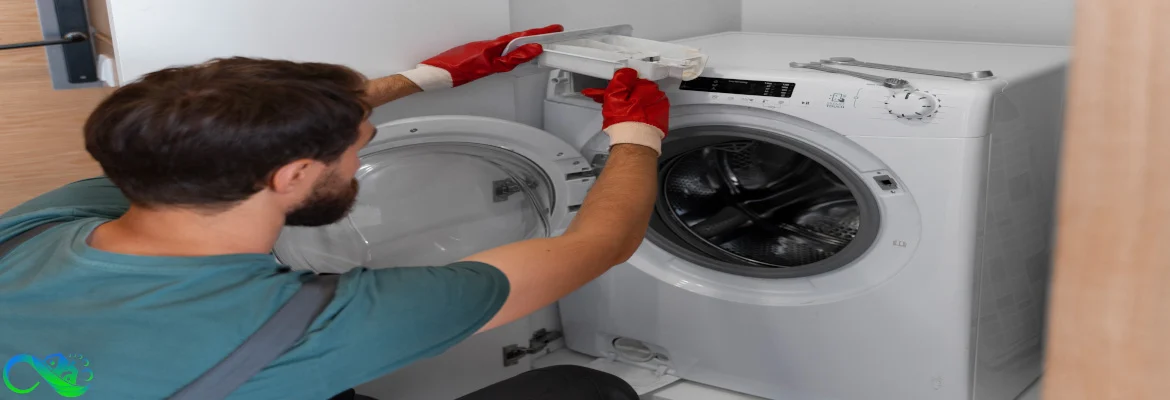
A washing machine is designed to keep your clothes clean and fresh, but over time the machine itself can collect detergent residue, mould, bacteria and unpleasant odours that affect both washing performance and household hygiene. Many people are surprised to discover that a washing machine can become dirty internally even when it is used regularly.
If your washing machine smells musty, leaves residue on clothes or no longer feels as fresh as it used to, it is usually a sign that buildup has developed inside the drum, rubber seals, pipes or detergent drawer. Without regular maintenance, this hidden dirt and moisture can gradually reduce efficiency and create hygiene issues in your home.
One of the easiest and most effective ways to clean a washing machine naturally is by using white vinegar. Vinegar helps break down soap scum, remove odours and clean internal surfaces without the need for harsh chemicals. It is affordable, simple to use and suitable for most front load and top load washing machines when used correctly.
In this guide, you will learn step-by-step how to clean your washing machine with vinegar, prevent common odour problems and keep your appliance fresh, hygienic and working efficiently for longer.
What Is the Best Way to Clean a Washing Machine with Vinegar?
The easiest way to clean a washing machine with vinegar is to run an empty hot wash cycle using 2 cups of white vinegar, then thoroughly wipe the drum, rubber seals and detergent drawer after the cycle finishes.
For front load machines, cleaning the rubber seal is especially important because moisture and mould often collect around the edges. For top load machines, allowing the vinegar and hot water mixture to soak before running the full cycle helps remove stubborn residue and odours more effectively.
Cleaning your washing machine every 2 to 3 months helps prevent mould, detergent buildup and unpleasant smells while improving washing performance and maintaining a more hygienic home environment.
Real-Life Experience: Why a Clean Washing Machine Makes a Big Difference
Sarah noticed that even after washing her clothes, they no longer smelled properly fresh. Some towels had a slight musty odour, and the washing machine itself started smelling unpleasant whenever the door was opened. At first, she assumed the problem was the detergent or damp clothes being left inside too long.
After inspecting the machine more closely, she discovered black mould around the rubber seal and a thick buildup inside the detergent drawer. She decided to deep clean the machine using white vinegar and a hot wash cycle.
The difference was noticeable almost immediately. The unpleasant smell disappeared, clothes came out fresher and the washing machine felt cleaner overall. More importantly, regular cleaning helped prevent the same issue from returning again a few weeks later.
Experiences like this are common in many households. Washing machines can slowly collect hidden residue, bacteria and moisture over time, even when they are used daily. Regular maintenance not only improves cleanliness but also helps protect the appliance and create a healthier home environment.
Why Washing Machines Become Dirty Over Time
Although washing machines are constantly exposed to water and detergent, they can still develop hidden dirt, bacteria and unpleasant buildup internally. Over time, residue from detergent, fabric softener, body oils and dirty laundry gradually accumulates inside different parts of the machine.
Moisture trapped inside the drum and rubber seals also creates the perfect environment for mould and mildew growth, especially in front load washing machines where airflow is more limited. If the machine door remains closed after washing, damp conditions can cause unpleasant odours to develop even faster.
Another common issue is using too much detergent. Excess detergent does not always rinse away properly and can leave behind sticky residue inside pipes, filters and internal surfaces. This buildup can affect washing performance and make clothes smell less fresh over time.
Hard water minerals can also contribute to internal buildup, particularly in households that wash clothes frequently. Combined with trapped moisture and detergent residue, this can reduce efficiency and create hygiene concerns inside the machine.
Without regular cleaning, these issues can eventually lead to:
- Musty or sour smells inside the drum
- Mould around the rubber seal
- Residue left on clothes after washing
- Reduced washing performance
- Shorter appliance lifespan
Regular maintenance with vinegar helps remove much of this buildup naturally while keeping the machine cleaner and fresher for everyday use.
How to Clean a Front Load Washing Machine with Vinegar
Front load washing machines are highly efficient, but they are also more likely to develop moisture buildup and mould around the rubber seal. Cleaning them regularly with vinegar helps remove odours, residue and bacteria while improving overall washing performance.
Step 1: Clean the Rubber Door Seal
Carefully pull back the rubber seal around the door and inspect for mould, trapped lint or residue. Use a soft cloth soaked in white vinegar to wipe the entire seal thoroughly, paying close attention to hidden folds where moisture often collects.
Step 2: Add Vinegar and Run a Hot Wash Cycle
Pour 2 cups of white vinegar directly into the washing machine drum. Select the hottest and longest wash cycle available and run the machine completely empty. The hot vinegar wash helps dissolve detergent buildup, kill bacteria and neutralise unpleasant smells inside the machine.
Step 3: Remove and Clean the Detergent Drawer
Take out the detergent drawer and soak it in warm water mixed with vinegar for several minutes. Gently scrub away soap scum and buildup using a soft brush or cloth before rinsing and replacing it.
Step 4: Wipe the Drum and Interior Surfaces
Once the wash cycle is finished, wipe the inside of the drum, the door and surrounding surfaces with a clean dry cloth. This helps remove loosened residue and prevents excess moisture from remaining inside the machine.
Step 5: Leave the Door Open to Air Dry
After cleaning, leave the washing machine door slightly open for a few hours to improve airflow and help prevent mould and odours from returning.
How to Clean a Top Load Washing Machine with Vinegar
Top load washing machines can also collect detergent residue, bacteria and unpleasant odours over time, especially when used frequently. Regular vinegar cleaning helps keep the drum cleaner, fresher and more efficient.
Step 1: Fill the Machine with Hot Water
Set the washing machine to the largest load size and hottest water setting available. Allow the drum to fill completely with hot water before adding any cleaning solution.
Step 2: Add White Vinegar
Pour 2 cups of white vinegar directly into the hot water inside the drum. Vinegar helps break down soap scum, dissolve mineral buildup and remove unpleasant smells naturally.
Step 3: Allow the Mixture to Soak
Pause the machine and let the hot water and vinegar solution sit inside the drum for approximately one hour if possible. This soaking time helps loosen stubborn residue and internal buildup more effectively.
Step 4: Complete the Wash Cycle
After soaking, allow the washing machine to finish the full wash cycle normally. The moving water helps flush out loosened dirt, bacteria and detergent residue.
Step 5: Wipe the Interior and Exterior Areas
Use a cloth lightly soaked in vinegar to clean the agitator, inside rim, lid and surrounding surfaces. These areas often collect hidden residue and moisture that contribute to unpleasant smells.
Step 6: Let the Machine Dry Properly
Once cleaning is complete, keep the lid open for a period of time to improve airflow and reduce moisture buildup inside the machine.
Common Mistakes to Avoid When Cleaning Your Washing Machine
Cleaning your washing machine with vinegar is simple and effective, but certain mistakes can reduce cleaning results or even create damage over time. Understanding what to avoid helps keep your machine safe, hygienic and functioning properly.
Mixing Vinegar with Bleach
One of the most important mistakes to avoid is combining vinegar with bleach. Mixing these products can create harmful chemical fumes that are unsafe to breathe. Always use vinegar separately and never during a bleach cycle.
Using Too Much Vinegar Too Frequently
Although vinegar is effective, excessive use over very long periods may affect certain rubber components in some machines. Cleaning every 2 to 3 months is usually enough for most households.
Ignoring the Rubber Seal
Many people only run a cleaning cycle and forget to manually clean the rubber door seal. This area commonly traps moisture, mould and dirt, especially in front load machines.
Leaving the Machine Wet After Cleaning
Closing the door immediately after cleaning can trap moisture inside the drum and encourage mould growth again. Always allow airflow by leaving the door or lid slightly open after cleaning.
Using Excessive Detergent Daily
Too much detergent creates heavy residue inside the machine, leading to faster buildup and unpleasant smells. Following the recommended detergent amount helps reduce future cleaning problems.
Forgetting to Clean the Filter
Some washing machines have filters that collect lint, dirt and debris over time. Ignoring the filter can affect machine performance and contribute to odours and drainage issues.
How Often Should You Clean Your Washing Machine?
Regular maintenance plays an important role in keeping your washing machine fresh, hygienic and efficient. Even if your machine looks clean on the outside, internal buildup can still occur over time.
For most households, a deep clean using vinegar every 2 to 3 months is recommended. This helps remove detergent residue, prevent mould growth and eliminate unpleasant odours before they become a bigger issue.
If you have a larger family, frequently wash clothes, or deal with heavily soiled laundry, monthly cleaning may be more suitable. Increased usage leads to faster buildup of dirt, moisture and detergent inside the machine.
In addition to deep cleaning, simple habits such as leaving the door open after each wash and using the correct amount of detergent can significantly reduce how often intensive cleaning is needed.
By maintaining a consistent cleaning routine, you can extend the lifespan of your washing machine and ensure better washing performance over time.
Extra Tips to Keep Your Washing Machine Fresh and Odour-Free
Keeping your washing machine fresh is not only about deep cleaning but also about developing simple daily habits that prevent dirt, mould and odours from building up over time.
One of the most effective habits is leaving the door or lid open after every wash. This allows air to circulate inside the drum and helps moisture evaporate, reducing the risk of mould and unpleasant smells.
Using the correct amount of detergent is also very important. Excess detergent does not fully rinse away and can create sticky residue inside the machine, which contributes to bad odours and buildup.
It is also recommended to avoid leaving wet clothes inside the machine for long periods. Damp laundry creates the perfect environment for bacteria and musty smells to develop quickly.
Cleaning the filter regularly, depending on your machine model, helps remove trapped lint, dirt and debris that can affect both performance and hygiene.
Finally, running an occasional empty hot wash cycle with vinegar helps maintain freshness between deep cleaning sessions and keeps your washing machine operating efficiently.
Frequently Asked Questions About Cleaning Washing Machines with Vinegar
Is vinegar safe for all washing machines?
Yes, in most cases white vinegar is safe for both front load and top load washing machines when used correctly. It should not be mixed with bleach or other harsh chemicals.
How much vinegar should I use to clean a washing machine?
Generally, 2 cups of white vinegar is enough for a full cleaning cycle. This amount helps break down residue and remove odours effectively.
Can vinegar remove mould in a washing machine?
Yes, vinegar can help reduce and kill mould, especially around the rubber seal and inside the drum. However, severe mould buildup may require repeated cleaning.
Why does my washing machine smell even after cleaning?
Persistent smells are usually caused by hidden residue in seals, filters or pipes. In some cases, multiple cleaning cycles are needed to fully remove buildup.
Can I use vinegar in both front load and top load machines?
Yes, vinegar works effectively in both types of machines when used in the correct amount and cleaning process.
How often should I clean my washing machine with vinegar?
Most households should clean every 2 to 3 months, while heavy-use households may benefit from monthly cleaning.
Need Professional Cleaning Help? Choose A Max Clean Group
If your washing machine continues to smell bad, shows signs of heavy mould, or has persistent buildup that does not improve even after deep cleaning with vinegar, it may need more advanced professional attention. In these situations, expert cleaning can help restore hygiene, remove deep contamination and improve overall performance.
A Max Clean Group provides professional and reliable cleaning services designed to support a cleaner, healthier and more comfortable home environment. Our experienced team focuses on thorough, detail-oriented cleaning solutions that help address stubborn dirt, hygiene concerns and hard-to-reach buildup in your home.
Whether you need regular home cleaning support in Adelaide or Melbourne or assistance with more challenging cleaning tasks, we use safe methods and careful processes to deliver consistent, high-quality results that improve both cleanliness and comfort.
Conclusion
Keeping your washing machine clean is an essential part of maintaining a healthy and hygienic home. Over time, detergent residue, mould, bacteria and moisture can build up inside the drum, seals and hidden components, leading to unpleasant odours, reduced performance and even damage to your appliance.
Using white vinegar is one of the simplest and most effective ways to naturally clean your washing machine. With regular maintenance such as running a hot vinegar cycle, cleaning the rubber seal and keeping the machine dry after each use, you can significantly improve freshness and extend the lifespan of your appliance.
However, if odours, mould or heavy buildup persist even after deep cleaning, professional support may be required to fully restore hygiene and performance. In such cases, A Max Clean Group is here to provide reliable cleaning solutions that help keep your home clean, fresh and comfortable.
Book Professional Cleaning Support Today
If your washing machine still has persistent odours or heavy buildup that does not go away after cleaning, getting professional help can make a real difference. A Max Clean Group provides reliable cleaning services designed to help restore freshness, improve hygiene and keep your home running smoothly.
You can easily book your service through our Free Online Booking Form or contact our team directly by phone +61449540502 for fast assistance and support. We are ready to help you maintain a cleaner, healthier and more comfortable home.