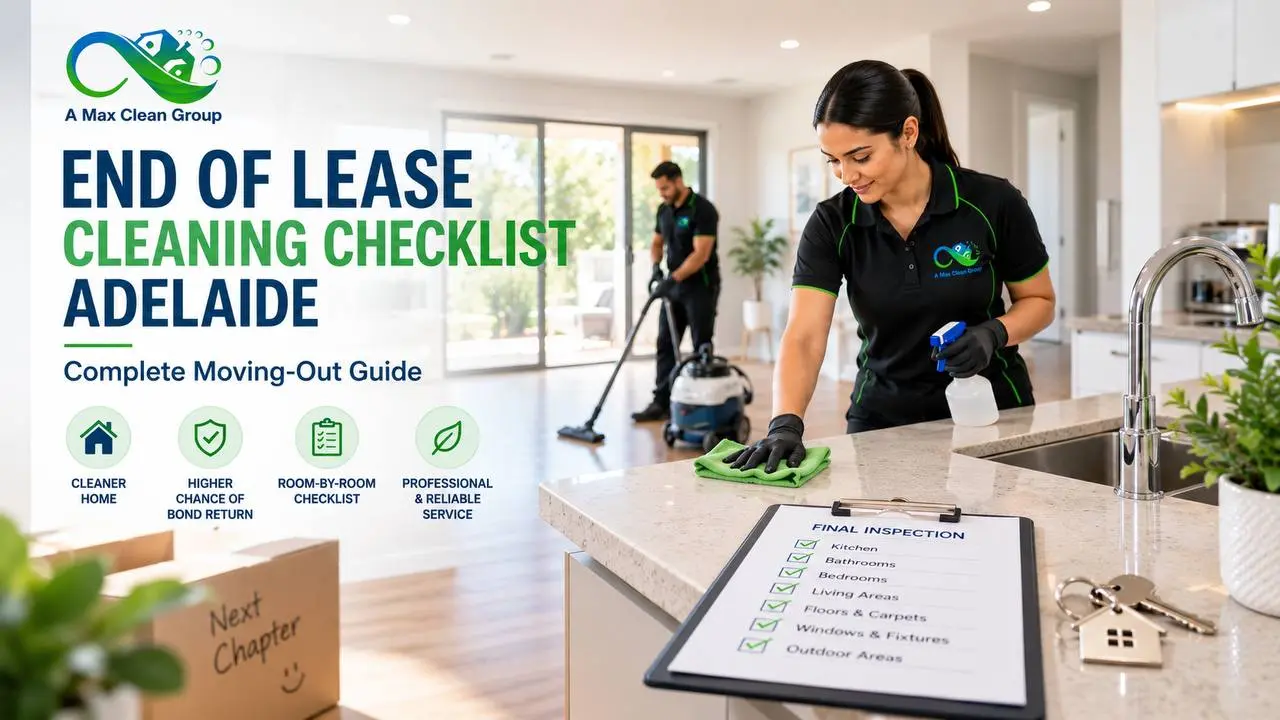


Moving out of a rental property is one of the most stressful life events. Between packing boxes, coordinating movers, and setting up your new home, the final “Exit Inspection” often feels like a looming shadow. The security bond—usually equivalent to four weeks’ rent—is a significant amount of money that every tenant wants back in full.
However, statistics show that a large percentage of bond disputes arise because the property doesn’t meet the landlord’s or property managers’ expectations such as incomplete End of Lease Cleaning.
In this guide, we’ll explore the reasons to lose bond or withheld and, more importantly, how you can avoid these pitfalls to ensure your money returns to your pocket.
What Is a Rental Bond?
A rental bond is a security payment made by a tenant when starting a rental agreement. It protects the landlord against unpaid rent, property damage or other costs that may arise during the tenancy. The bond is generally held by the relevant state or territory authority until the tenancy ends.
At the end of the lease, tenants can usually receive their bond back when:
- The property is left in a clean condition
- There is no damage beyond normal wear and tear
- All rent and other required payments have been paid
- The terms of the rental agreement have been followed
Reasons to lose bond
To ensure a full bond refund, you must return the property to the condition it was in at the start of the lease (excluding fair wear and tear). So, most tenants lose their bond due to
- inadequate cleaning (especially in the kitchen and bathroom)
- unrepaired minor damage
- carpet stains
- leaving rubbish behind
- Mould and Mildew Issues
- Outdoor areas left untidy
Using a professional end of lease cleaning service is the most effective way to meet the strict standards of property managers and avoid disputes.
1. Incomplete Cleaning (The Invisible Spots)
This is the number one culprit. General cleaning often misses the areas that property managers check first:
- Window Tracks and Sills: Often filled with dead insects and dust.
- Skirting Boards and Door Frames: Dust accumulation here is a red flag for inspectors.
- Light Switches and Power Points: Fingerprints and grime build up over time.
- Light Fittings: Often neglected, leaving behind dust or dead bugs inside the covers.
2. Dirty Kitchen Appliances
The kitchen is the most scrutinized room in the house. Even if the benches are wiped, landlords look for:
- The Oven: Carbon buildup and grease inside the oven or on the racks.
- Range Hood Filters: Sticky grease that hasn’t been degreased professionally.
- Dishwashers: Food residue in filters and grime around the door seals.
3. Carpet Stains and Odours
Standard vacuuming is rarely enough for an end-of-lease inspection. Stubborn stains from spills, pet hair, or lingering odours can lead to a demand for professional steam cleaning. Many lease agreements actually mandate professional carpet cleaning if you have pets.
4. Bathroom Issues: Mould and Grout
Bathrooms are prone to mould, especially in poorly ventilated areas. Property managers look for:
- Soap scum on glass shower screens.
- Discoloured grout in the wall or floor tiles.
- Limescale buildup on taps and showerheads.
5. Wall Marks, Scuffs, and Minor Damage
Leaving minor damage unrepaired is one of the main reasons to lose bond. Walls are one of the first things property managers notice during a final inspection. Small marks may seem harmless when you are living in the property, but once the furniture is removed and the rooms are empty, every scuff, scratch, and dent becomes much more visible.
Common wall-related issues include:
- Scuff marks from furniture
- Sticky tape or adhesive residue
- Small nail or picture hook holes
- Paint chips
- Marks behind beds, couches, and dining chairs
- Handprints around doors and light switches
Not every mark is your responsibility. Some minor ageing may be considered fair wear and tear, especially if you lived in the property for several years. However, clear damage, stains, or holes caused during the tenancy may lead to bond deductions.
6. Leaving Rubbish Behind
Leaving rubbish behind is one of the most common reasons to lose bond. Even if the property is otherwise clean, leftover items can result in removal fees.
This includes:
- Old furniture
- Cardboard boxes
- Food in the fridge or pantry
- Cleaning products
- Garden waste
- Broken appliances
- Items left in garages, sheds, cupboards, or storage areas
Many tenants focus on the main rooms and forget hidden storage spaces. Property managers will usually check every cupboard, drawer, garage, balcony, and outdoor area before approving the bond refund.
7. Outdoor areas left untidy
Outdoor spaces are often included in the final rental inspection, so neglecting them can become a reason to lose bond. Tenants may face bond deductions for:
- Overgrown grass
- Weeds in garden beds or paving
- Leaves and dirt on balconies
- Cobwebs around outdoor lights
- Oil stains in the garage or driveway
- Rubbish near bins
- Dirty outdoor windows or sliding doors
Before handing back the property, make sure outdoor areas are tidy, rubbish-free and cleaned to the condition required under your rental agreement.
8. Pest Issues After Moving Out
Pest problems can become a bond issue, especially if the lease agreement mentions pest treatment or if pets lived at the property.
For example, tenants may be asked to arrange flea treatment if they had a dog or cat during the lease. In some cases, cockroach or ant problems caused by poor cleanliness, food waste, or rubbish left behind may also create disputes.
How to Avoid It
Check your lease agreement before moving out. If pest treatment is required, book it before the final inspection and keep the receipt as proof.
Also make sure all food scraps, crumbs, rubbish, and pet hair are removed from the property. Pay special attention to:
- Kitchen cupboards
- Under appliances
- Pantry shelves
- Pet areas
- Outdoor bins
- Carpet edges
Keeping the property clean and free from food residue helps reduce the risk of pest-related complaints.
9. Not Meeting the Final Inspection Standard
One of the biggest reasons to lose bond is not understanding what “clean” means at the end of a lease.
A home can look clean from a tenant’s point of view but still fail the property manager’s inspection. This is because end of lease cleaning is judged against the entry condition report, lease agreement, and agency standards — not just everyday cleanliness.
Property managers often inspect details such as:
- Window cleaning and its tracks
- Exhaust fans
- Oven racks
- Range hood filters
- Shower screens
- Tile grout
- Skirting boards
- Cupboard interiors
- Door handles
- Light fittings
- Air vents
These areas are easy to miss when you are tired, rushed, or focused on moving.
How to Avoid It
Use your original condition report as a guide. Compare each room to the photos and notes from when you moved in. If something was clean at the start of the lease, it will usually be expected to be clean when you leave.
This is where a professional end of lease cleaning service can make a major difference. Experienced cleaners understand what property managers look for and can clean the property to inspection-ready standards.
A Common Tenant Experience
We’ve all been there. You spend two full days scrubbing floors and wiping surfaces. To your eyes, the house looks “clean.” But then, the property manager arrives with a high-intensity flashlight and a white glove.
They found grease on the range hood filter, dust inside the sliding window tracks, and a faint tea stain on the carpet that you’d completely forgotten about.
The reality is that “domestic clean” and “end of lease clean” are two different worlds. Most tenants lose part of their bond not because they are messy, but because they are exhausted by the move and overlook the “invisible” spots that property managers prioritize. This mismatch in expectations is the leading cause of bond deductions.
Wear and Tear vs Damage
Understanding the difference between fair wear and tear and tenant-caused damage is essential when moving out. This difference can affect whether a landlord is allowed to claim part of your bond.
Many bond disputes happen because tenants and landlords disagree about whether something is normal wear or tenant-caused damage. To protect yourself, always keep photos, cleaning receipts, repair invoices, and a copy of your entry condition report.
What Is Fair Wear and Tear?
Fair wear and tear refers to natural deterioration that happens over time through normal use of the property. Tenants are generally not responsible for fair wear and tear.
Examples may include:
- Slight fading of curtains from sunlight
- Minor carpet wear in high-traffic areas
- Faded paint over time
- Loose door handles from regular use
- Small marks that occur naturally with age
What Is Considered Damage?
Damage is usually caused by accidents, neglect, misuse, or lack of care during the tenancy.
If the issue is considered damage rather than natural wear, the landlord may request repairs or claim part of the bond.
Examples may include:
- Large stains on carpets
- Broken tiles
- Holes in walls
- Burn marks on benchtops
- Pet damage to doors or carpets
- Broken windows
- Heavy mould caused by poor ventilation or lack of cleaning
Tenants’ rights bond
Understanding your tenants’ bond rights can help you avoid unnecessary deductions when moving out. Your rental bond is generally returned when you have met your tenancy obligations, including paying your rent, leaving the property reasonably clean and addressing damage beyond normal wear and tear.
Before requesting for tenants bond refund, take these practical steps:
| Step | What to Do | Why It Matters |
|---|---|---|
| 1. Check the condition report | Compare the property’s current condition with the original report. | Helps identify damage that was already present. |
| 2. Complete the cleaning | Clean kitchens, bathrooms, floors, windows and outdoor areas as required. | Helps avoid cleaning-related bond deductions. |
| 3. Repair damage | Fix damage beyond normal wear and tear, such as broken fixtures or damaged blinds. | Reduces the risk of being charged for repairs. |
| 4. Remove rubbish and belongings | Clear all personal items, rubbish and unwanted belongings. | Prevents removal or disposal costs being deducted from your bond. |
| 5. Take photos | Photograph the property after cleaning and repairs. | Provides evidence of the property’s condition when you leave. |
| 6. Keep your records | Save cleaning receipts, repair invoices and other relevant documents. | Supports you if a bond deduction is disputed. |
| 7. Review bond deductions | Check any claim made against your bond before agreeing to it. | Helps ensure deductions have a valid basis. |
| 8. Request your bond refund | Submit the bond claim through the relevant state or territory process. | Starts the process of getting your bond money back. |
Tips to Get the Full Bond Back
Getting your full bond back is rarely about doing one big thing right. In most cases, it comes down to handling lots of small details properly before the final inspection.
Here are some practical ways to improve your chances of a full tenants’ bond refund.
| Tip | What to Do |
|---|---|
| Start Early | Give yourself enough time to clean, fix issues and arrange professional services if needed. |
| Check Your Lease | Review cleaning, carpet, garden, pest control and rubbish removal requirements. |
| Use the Condition Report | Compare the property with its original condition, including walls, carpets, appliances and outdoor areas. |
| Take Photos | Photograph every room and important areas after cleaning and before returning the keys. |
| Keep Receipts | Save invoices for cleaning, repairs, carpet cleaning and other services. |
| Do a Final Walk-Through | Check commonly missed areas such as ovens, window tracks, skirting boards, shower tracks and wardrobes. |
Start Early, Not the Night Before
One of the biggest mistakes tenants make is leaving everything until the final day. After packing, lifting furniture, organising transport, and cleaning a new place, most people simply run out of time and energy.
Starting early gives you time to:
- spot hidden issues
- arrange repairs if needed
- remove stains properly
- book professional cleaning if necessary
- avoid a rushed and incomplete clean
Check Your Lease Agreement
Before you move out, go back to your lease agreement and review any cleaning-related obligations.
Pay attention to things like:
- carpet cleaning requirements
- pest treatment after pets
- garden maintenance responsibilities
- rubbish removal expectations
- specific cleaning standards listed in the contract
This can help you avoid surprises during the final inspection.
Use Your Entry Condition Report
Your original condition report is one of the most useful documents you have when moving out. It shows the condition of the property when you first moved in and can help you understand what standard you are expected to return it to.
Compare:
- walls
- carpets
- appliances
- bathrooms
- outdoor areas
- windows
- general cleanliness
If possible, review the original photos as well.
Take Photos Before Handing Back the Keys
Once the property is empty and clean, take clear photos of every room. Include:
- floors
- walls
- kitchen appliances
- bathrooms
- cupboards
- outdoor spaces
- garage areas
These photos can help protect you if there is a disagreement later about the property’s condition.
Keep Receipts for Cleaning and Repairs
If you hire carpet cleaners, pest control, or a professional end of lease cleaning service, keep all invoices and receipts. The same applies to any repair work completed before you move out.
This documentation can support your case if the landlord or property manager questions whether something was done.
Do a Final Walk-Through Like an Inspector
Try to see the property the way a property manager would. Open cupboards, look inside drawers, check behind doors, inspect corners, and pay attention to details that are easy to miss when you are tired.
Commonly forgotten spots include:
- oven interiors
- range hood filters
- shower tracks
- skirting boards
- laundry corners
- window tracks
- inside wardrobes
- exhaust fans
That last walk-through can make a big difference.
End of Lease Cleaning Service
Need help getting your rental ready for final inspection?
Our professional end of lease cleaning service is designed to help tenants leave their property clean, fresh, and ready for inspection. We know what property managers look for, and we focus on the details that often lead to bond deductions.
A Max Clean Group provide End of Lease Cleaning services in 9 cities across Australia:
- End of Lease Cleaning Adelaide
- End of Lease Cleaning Melbourne
- End of Lease Cleaning Darwin
- End of Lease Cleaning Hobart
- End of Lease Cleaning Perth
- End of Lease Cleaning Canberra
- End of Lease Cleaning Sydney
- End of Lease Cleaning Brisbane
- End of Lease Cleaning Gold Coast
BOOK YOUR END OF LEASE CLEANING FREE TODAY or CONTACT US FOR FREE QOUTE and let our team help you maximise your chances of getting your full bond back.
Conclusion
Losing part of your bond after moving out is frustrating, especially when you have already spent time, money, and energy preparing the property. The good news is that most bond deductions happen for reasons that are completely avoidable.
Incomplete cleaning, stained carpets, bathroom mould, dirty appliances, wall marks, leftover rubbish, and missed inspection details are some of the most common causes. With proper planning, a detailed checklist, and enough time before your move, you can significantly reduce the risk of a dispute.
If you want the best chance of leaving your rental spotless and inspection-ready, professional help can make the process much easier.
Frequently Asked Questions About Bond Returns and End of Lease Cleaning
How long after moving out should I get my bond back
Do you get your bond back when you move out?
How long can landlord hold bond after you move out?
How can a tenant lose their bond?
What should I do if my property manager is unhappy after the inspection?