

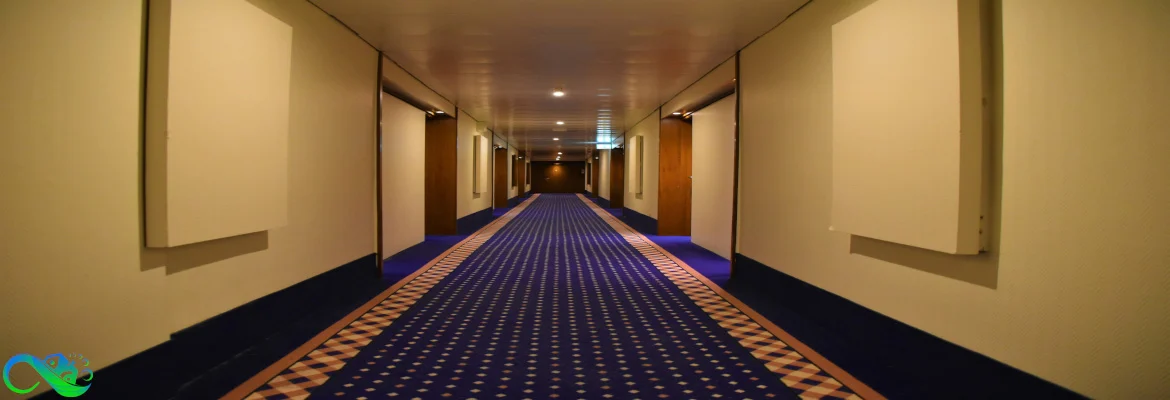
Carpets add warmth, comfort and style to any home, but they also trap dust, dirt, allergens, stains and unpleasant odours over time. While there are many commercial carpet cleaning Adelaide products available, not everyone wants to use harsh chemicals or spend money on expensive cleaners for everyday maintenance.
White vinegar is a simple, affordable and eco-friendly alternative that can help remove light stains, neutralise odours and freshen up your carpets when used correctly. Although it won’t replace professional deep carpet cleaning for heavily soiled carpets, it is an excellent solution for routine maintenance and quick spot cleaning.
In this step-by-step guide, you’ll learn how to clean your carpets safely with vinegar, which stains it works best on, when you should avoid using it, and when it’s time to call a professional carpet cleaning Adelaide service for deeper results.
Key Takeaways
- White vinegar is a safe, affordable and eco-friendly solution for removing many common carpet stains and unpleasant odours.
- Always dilute white vinegar with warm water before applying it to your carpet.
- Vacuum the carpet first to remove loose dirt and improve cleaning results.
- Test the vinegar solution on a small hidden area before treating visible stains.
- Vinegar works best on fresh spills, food stains, drink stains and light pet accidents.
- Avoid using vinegar on delicate natural fibre carpets, such as wool, unless the manufacturer confirms it is safe.
- Never mix vinegar with bleach or other chemical cleaners, as this can create harmful fumes.
- For deep stains, heavy soiling or odours trapped beneath the carpet fibres, professional carpet cleaning is usually the most effective solution.
What Makes Vinegar a Good Carpet Cleaner?
White distilled vinegar has long been recognised as one of the most effective natural cleaning solutions for household surfaces, including carpets. Its mild acidity helps loosen dirt, dissolve light stains and neutralise unpleasant odours without relying on harsh chemicals. When diluted correctly with water, vinegar is safe for most synthetic carpet fibres and can be used as an eco-friendly alternative to many commercial carpet cleaners.
One of vinegar’s biggest advantages is its ability to break down residues left behind by food spills, beverages and pet accidents. Rather than simply masking unpleasant smells, vinegar helps neutralise odour-causing compounds, leaving your carpet smelling fresher once it has completely dried.
Another reason many homeowners choose vinegar is that it is inexpensive, readily available and non-toxic when used properly. This makes it a practical option for households with children and pets, provided the carpet is thoroughly dried before use.
However, while vinegar is an excellent choice for routine maintenance and treating fresh stains, it is not designed to remove deeply embedded dirt, heavy soiling or long-standing stains. In these situations, professional carpet cleaning equipment can provide a much deeper clean by extracting dirt and bacteria from beneath the carpet fibres.
Benefits of Cleaning Carpets with Vinegar
- Naturally removes light stains and everyday dirt.
- Helps neutralise unpleasant odours instead of simply covering them.
- Eco-friendly and free from harsh cleaning chemicals.
- Affordable and readily available in most homes.
- Safe for most synthetic carpets when diluted correctly.
- Suitable for routine carpet maintenance and spot cleaning.
- Can help reduce bacteria on the carpet surface.
- Easy to prepare using only white vinegar and warm water.
Things You Need Before Cleaning Your Carpet with Vinegar
Before you begin cleaning your carpet, it’s important to gather the right tools and prepare your workspace. Using the proper cleaning supplies will help you achieve better results, minimise the risk of damaging your carpet fibres and make the entire cleaning process quicker and more effective.
You don’t need expensive equipment for basic carpet cleaning Melbourne with vinegar. Most of the items below are common household essentials that work well for removing light stains, fresh spills and everyday dirt.
Essential Cleaning Supplies
- White distilled vinegar – The safest and most effective type of vinegar for carpet cleaning.
- Warm water – Helps dilute the vinegar and evenly distribute the cleaning solution.
- Spray bottle – Makes it easy to apply the solution without soaking the carpet.
- Microfiber cloth or clean sponge – Ideal for blotting stains and absorbing excess moisture.
- Soft-bristled brush (optional) – Useful for gently loosening stubborn dirt without damaging carpet fibres.
- Paper towels or absorbent towels – Help remove excess liquid after cleaning.
- Vacuum cleaner – Removes loose dust, dirt and debris before you start cleaning.
Optional Items for Better Results
If you’re dealing with larger areas or stubborn stains, these additional tools can make the job easier:
- A bucket for mixing larger batches of cleaning solution.
- Rubber gloves to protect sensitive skin.
- A fan or open windows to speed up drying and reduce moisture.
- Baking soda for deodorizing carpets before or after spot cleaning (if used separately from vinegar).
Tip: Always prepare your cleaning solution immediately before use. Freshly mixed white vinegar and warm water provide the best cleaning performance for routine carpet maintenance.
Step-by-Step Guide: How to Clean Your Carpet with Vinegar
Step 1: Vacuum the Carpet Thoroughly
Before applying any cleaning solution, vacuum the entire carpet to remove loose dust, dirt, pet hair and other debris. Cleaning a dirty carpet without vacuuming first can push dirt deeper into the fibres, making stains harder to remove and reducing the effectiveness of the vinegar solution.
Pay extra attention to high-traffic areas, corners and edges where dirt tends to accumulate.
Pro Tip: If possible, vacuum slowly in two directions to lift more dirt from deep within the carpet fibres.
Step 2: Prepare Your Vinegar Cleaning Solution
Mix equal parts of white distilled vinegar and warm water with some salt in a clean spray bottle. Shake the bottle gently to combine the solution before use.
This simple mixture which is a home made carpet cleaner with vinegar is suitable for most routine carpet cleaning tasks, including removing light stains, fresh spills and unpleasant odours. Avoid making the solution stronger, as excessive vinegar may leave a lingering smell and is unlikely to improve cleaning performance.
Step 3: Test the Solution on a Hidden Area
Not all carpets are made from the same materials, so it’s essential to perform a patch test before cleaning a visible area.
Spray a small amount of the vinegar solution onto an inconspicuous section of the carpet, such as inside a closet or beneath a piece of furniture. Wait at least 10 to 15 minutes and check for any colour fading, discolouration or damage before continuing.
Taking a few minutes to test first can help prevent costly mistakes, particularly on delicate or older carpets.
Step 4: Apply the Vinegar Solution
Lightly spray the vinegar solution over the stained or dirty area until it is slightly damp. Avoid soaking the carpet, as too much moisture can penetrate the underlay, increase drying time and potentially encourage mould or mildew growth.
For larger stains, work in small sections to ensure even coverage and better control during cleaning.
Step 5: Gently Blot or Scrub the Stain
Allow the solution to sit for 5 to 10 minutes so it has time to loosen dirt and break down the stain.
Using a clean microfiber cloth, sponge or a soft-bristled brush, gently blot or lightly scrub the affected area. Always work from the outside of the stain towards the centre to help prevent it from spreading.
Avoid aggressive scrubbing, as excessive force can damage carpet fibres and make some stains more difficult to remove.
Step 6: Rinse and Remove Excess Moisture
After treating the stain, dampen a clean cloth with plain water and gently blot the area to remove any remaining vinegar residue.
Next, press a dry towel or paper towels firmly onto the carpet to absorb as much moisture as possible. Removing excess water helps speed up drying and reduces the risk of lingering odours or mould growth.
Step 7: Allow the Carpet to Dry Completely
Leave the carpet to air dry naturally before walking on it or replacing furniture. Good ventilation is essential for preventing moisture from becoming trapped beneath the carpet.
Open nearby windows, switch on ceiling fans or use a portable fan to improve airflow and reduce drying time.
Once the carpet is completely dry, vacuum the cleaned area again to restore the texture of the carpet fibres and remove any remaining residue.
Pro Tip: Avoid walking on the carpet until it is fully dry, as foot traffic can flatten damp fibres and transfer new dirt onto the cleaned surface.
When Should You Use Vinegar on Carpets?
White vinegar is an excellent choice for routine carpet maintenance and treating many everyday stains, but it is not the right solution for every cleaning situation. Knowing when to use vinegar and when to choose a different cleaning method—can help protect your carpet and achieve better results.
Vinegar works best on fresh spills and light stains before they have time to soak deep into the carpet fibres. Acting quickly after a spill often makes stain removal much easier and reduces the chance of permanent discoloration.
Vinegar is Ideal For:
- Fresh food and drink spills
- Coffee and tea stains
- Soft drink and juice stains
- Pet accidents and light odours
- Everyday dirt and minor marks
- Refreshing carpets between professional cleanings
Vinegar May Not Be Suitable For:
- Old or deeply set stains
- Paint, ink or permanent marker stains
- Grease or heavy oil stains
- Mould-affected carpets
- Water-damaged carpets
- Delicate natural fibre carpets, such as untreated wool or silk
If your carpet has stubborn stains, persistent odours or heavy dirt build-up that won’t respond to home cleaning methods, professional carpet cleaning is usually the safest and most effective solution. Professional equipment can extract dirt, bacteria and moisture from deep within the carpet, helping restore its appearance and extend its lifespan.
Expert Tip: The sooner you treat a spill, the higher the chance of removing it completely. Allowing stains to dry can make them much more difficult to eliminate with household cleaning solutions.
Removing Different Types of Carpet Stains with Vinegar
Not all carpet stains respond the same way to cleaning. While white vinegar is highly effective for many common household stains, the best results come from treating spills as soon as possible. The longer a stain remains on the carpet, the more difficult it can become to remove completely.
Below are some of the most common carpet stains and how to treat them using a vinegar cleaning solution.
How to Remove Food and Drink Stains
Food spills, coffee, tea, soft drinks and fruit juice are among the most common causes of carpet stains.
Blot the spill immediately using a clean, dry cloth to absorb as much liquid as possible. Avoid rubbing the stain, as this can spread it deeper into the carpet fibres.
Lightly spray the vinegar solution over the affected area and allow it to sit for 5 to 10 minutes. Gently blot the stain with a microfiber cloth until it begins to fade. Repeat the process if necessary, then rinse with a damp cloth and allow the carpet to dry completely.
How to Remove Pet Stains and Odours
Fresh pet accidents can leave both visible stains and unpleasant odours if they are not cleaned quickly.
After removing any excess moisture, spray the vinegar solution over the affected area and let it sit for several minutes. Blot the area gently with a clean cloth until the stain begins to lift.
Vinegar helps neutralise odour-causing compounds rather than simply masking unpleasant smells. However, if pet urine has soaked into the carpet underlay, professional carpet cleaning may be required to completely eliminate the odour.
How to Remove Mud Stains
Allow muddy footprints to dry completely before attempting to clean them. Trying to wipe wet mud usually spreads the stain and pushes dirt further into the carpet.
Once the mud has dried, vacuum the loose debris thoroughly. Apply the vinegar solution to any remaining marks, gently blot with a clean cloth and repeat if needed until the stain has been removed.
How to Freshen Carpets and Remove Unpleasant Odours
Even if your carpet doesn’t have visible stains, everyday use can leave it smelling less than fresh.
Lightly mist the carpet with the vinegar solution, taking care not to over-wet the fibres. Open windows or use fans to improve airflow while the carpet dries. As the vinegar evaporates, it helps neutralise many common household odours, leaving the carpet smelling fresher without the use of heavily scented chemicals.
Stains That May Require Professional Cleaning
While vinegar is excellent for everyday carpet maintenance, some stains are simply too difficult to remove using household cleaning methods.
Professional carpet cleaning is usually recommended for:
- Old or heavily set stains
- Ink and permanent marker
- Paint spills
- Grease and heavy oil stains
- Large pet urine contamination
- Smoke or fire odours
- Water damage and mould-related issues
Professional equipment can extract deeply embedded dirt, bacteria and moisture that home cleaning solutions cannot reach.
Can Vinegar Damage Your Carpet?
White vinegar is generally safe for most synthetic carpets when it is diluted correctly and used in moderation. However, it is not suitable for every carpet type, and using it incorrectly may cause unwanted damage or affect the carpet’s appearance.
Carpets made from natural fibres such as wool, silk or certain handmade rugs—can be more sensitive to acidic cleaning solutions. Repeated use of vinegar on these materials may weaken the fibres, affect the dye or reduce the carpet’s lifespan. Before using any homemade cleaning solution, it’s always a good idea to check the manufacturer’s care instructions.
If you’re unsure what type of carpet you have specially when its time for end of lease cleaning services, perform a patch test in a hidden area before cleaning a visible section. Wait at least 10 to 15 minutes and inspect the area for colour changes, fibre damage or any other signs of an adverse reaction.
Signs You Should Stop Using Vinegar
Stop cleaning immediately if you notice any of the following:
- Colour fading or discolouration
- Carpet fibres becoming rough or brittle
- A strong or unusual chemical reaction
- Damage to delicate or natural fibres
- Moisture soaking deep into the carpet underlay
If any of these issues occur, rinse the area with clean water, blot away excess moisture and consider contacting a professional carpet cleaning service for advice.
Expert Tip: When in doubt, always choose the gentlest cleaning method first. Testing a small hidden area takes only a few minutes and can prevent expensive carpet damage.
Important Safety Tips When Using Vinegar on Carpets
Although white vinegar is a safe and effective natural cleaner for many carpets, using it incorrectly can reduce its effectiveness or even damage certain carpet materials. Following a few simple precautions will help you achieve better cleaning results while protecting your carpet.
Always Use White Distilled Vinegar
Choose white distilled vinegar for carpet cleaning, as it is clear, inexpensive and free from colourings that could stain carpet fibres. Avoid using apple cider vinegar, balsamic vinegar or other flavoured varieties, as they may leave residue or cause discolouration.
Never Mix Vinegar with Bleach
One of the most important safety rules is never to mix vinegar with bleach or other chlorine-based cleaning products. Combining these substances can produce toxic chlorine gas, which is dangerous to your health.
If you have previously used another carpet cleaner, rinse the area thoroughly with clean water before applying a vinegar solution.
Avoid Over-Wetting the Carpet
Using too much liquid is one of the most common carpet cleaning mistakes. Excess moisture can soak into the carpet backing and underlay, increasing drying time and creating conditions where mould and mildew may develop.
Instead, lightly mist the affected area and use only enough solution to treat the stain.
Always Perform a Patch Test
Even if your carpet appears to be made from synthetic fibres, it’s still important to test the vinegar solution on a hidden area before treating a visible stain. This simple step helps identify any unexpected colour fading or fibre damage.
Allow the Carpet to Dry Completely
Proper drying is just as important as the cleaning process itself. Increase airflow by opening windows, using ceiling fans or placing a portable fan near the cleaned area. Avoid walking on the carpet until it is completely dry to prevent new dirt from sticking to damp fibres.
Avoid Using Vinegar on Delicate Carpets
Natural fibre carpets, including untreated wool, silk and some handmade rugs, may not respond well to acidic cleaning solutions. If you’re unsure whether vinegar is safe for your carpet, check the manufacturer’s care instructions or seek advice from a professional carpet cleaning specialist.
Safety Tip: If a stain doesn’t improve after one or two cleaning attempts, avoid repeatedly soaking the carpet with more vinegar. Persistent stains often require specialised equipment and professional carpet cleaning to prevent permanent damage.
When Should You Call a Professional Carpet Cleaner?
Cleaning your carpet with white vinegar is an excellent way to deal with everyday spills, light stains and minor odours. However, there are situations where household cleaning methods simply aren’t enough to restore your carpet safely and effectively.
Professional carpet cleaning uses specialised equipment and deep extraction techniques that remove dirt, allergens, bacteria and moisture from deep within the carpet something that homemade cleaning solutions cannot achieve.
You should consider professional carpet cleaning if you notice any of the following:
- Stubborn stains that remain after repeated cleaning attempts.
- Pet urine that has soaked into the carpet underlay, causing lingering odours.
- Heavy dirt build-up in high-traffic areas.
- Water damage caused by leaks or flooding.
- Mould or mildew growth inside the carpet.
- Smoke, cooking or musty odours that won’t disappear.
- Large carpeted areas that require a thorough deep clean.
- Routine deep cleaning every 6 to 12 months to help maintain the appearance and lifespan of your carpet.
Attempting to remove deep stains with repeated applications of vinegar can sometimes make the problem worse by over-wetting the carpet or pushing moisture further into the backing. In these situations, professional cleaning is often the safest and most cost-effective solution.
Expert Tip: If your carpet still looks dirty or smells unpleasant after one or two cleaning attempts, it’s usually a sign that the contamination has penetrated below the surface and requires professional deep cleaning.
Why Choose A Max Clean Group for Professional Carpet Cleaning
While cleaning your carpet with vinegar is an excellent way to handle light stains and routine maintenance, some carpets require a deeper level of cleaning than household methods can provide. Over time, dirt, dust, allergens and bacteria can become trapped deep within the carpet fibres and underlay, making them difficult to remove without professional equipment.
At A Max Clean Group, we provide professional carpet cleaning services designed to restore the appearance, freshness and hygiene of your carpets. Using advanced cleaning equipment and proven techniques, our experienced team removes deeply embedded dirt, stubborn stains and unpleasant odours while helping extend the life of your carpet.
Whether you need a one-off deep clean, regular carpet maintenance or stain removal after accidental spills, we tailor our cleaning approach to suit your carpet type and its condition.
Why Homeowners Choose A Max Clean Group
- Experienced and fully trained cleaning professionals.
- Advanced equipment for deep carpet cleaning.
- Safe cleaning methods for families, children and pets.
- Effective stain and odour removal.
- Flexible appointment times to suit your schedule.
- Reliable service with attention to detail.
- Competitive pricing with no hidden surprises.
If you’re looking for professional carpet cleaning in Melbourne and Adelaide, our team is ready to help restore your carpets to their best condition with reliable service and outstanding results.
Frequently Asked Questions
What kind of vinegar is best for carpet cleaning?
White distilled vinegar is the safest and most effective choice for cleaning carpets. It is colourless, affordable and free from additives that could stain or damage carpet fibres. Avoid using apple cider vinegar, balsamic vinegar or other flavoured vinegars.
Will vinegar damage my carpet?
When diluted correctly and tested on a small hidden area first, white vinegar is generally safe for most synthetic carpets. However, it may not be suitable for delicate natural fibres such as wool or silk, so always check the manufacturer’s care instructions before use.
How often should I clean my carpet with vinegar?
Vinegar is best used for spot cleaning fresh stains or refreshing carpets between professional cleanings. It should not replace regular vacuuming or periodic deep carpet cleaning.
Can vinegar completely replace professional carpet cleaning?
No. Vinegar is effective for light stains, minor spills and everyday odours, but it cannot remove deeply embedded dirt, bacteria or allergens trapped beneath the carpet fibres. Professional carpet cleaning provides a much deeper and longer-lasting clean.
Does vinegar remove all carpet odours?
Vinegar can help neutralise many common household odours, including food and light pet smells. However, strong odours caused by pet urine, mould or water damage may require professional treatment.
Can vinegar remove coffee and tea stains?
Yes. White vinegar can be very effective on fresh coffee and tea stains when used promptly. Blot the spill first, apply the diluted vinegar solution and gently blot the stain until it fades.
Should I rinse the carpet after using vinegar?
Yes. After cleaning, lightly blot the area with a clean cloth dampened with plain water to remove any remaining vinegar residue. Then dry the carpet thoroughly to help prevent moisture-related problems.
Can I mix vinegar with baking soda?
Although vinegar and baking soda are both popular household cleaners, they should not be mixed together in the same cleaning solution. The chemical reaction between them reduces the effectiveness of both products. If you choose to use baking soda for deodorising, apply it separately and vacuum it before cleaning with vinegar.
Can I use apple cider vinegar instead of white vinegar?
No. White distilled vinegar is recommended because it is clear and less likely to leave stains or residue. Apple cider vinegar contains natural colouring that may affect some carpet materials.
How long should the vinegar solution stay on the carpet?
For most stains, allow the solution to sit for 5 to 10 minutes before gently blotting the area. Avoid leaving excessive moisture on the carpet for extended periods.
Is vinegar safe to use around children and pets?
When properly diluted and the carpet is allowed to dry completely, white vinegar is generally considered a safer alternative to many chemical carpet cleaners. Keep children and pets away from the cleaned area until it is fully dry.
How often should carpets be professionally cleaned?
For most homes, professional carpet cleaning every 6 to 12 months is recommended. Homes with pets, young children or high foot traffic may benefit from more frequent deep cleaning to keep carpets fresh and hygienic.
Conclusion
Cleaning your carpet with vinegar is an easy, affordable and eco-friendly solution that helps remove stains, reduce odours and improve freshness. By following the right steps, testing safely, and allowing proper drying, you can keep your carpets cleaner and more hygienic without expensive chemicals. However, for stubborn stains, strong odours or deeply embedded dirt, professional carpet cleaning is still the best option for long-lasting results.
If you want expert help, A Max Clean Group is ready to assist you with friendly service, professional carpet cleaning in Adelaide equipment and outstanding cleaning results.
You can book your cleaning service instantly through our Free Online Booking Form, or call us directly on +61449540502 for fast and friendly support.


can I put diluted vinegar in may carpet cleaner?
Yes, white vinegar can be used in most carpet cleaners, but only when diluted correctly and applied to the right type of job.