
Sofa stains can be frustrating, especially when they appear suddenly and you need a fast solution. The good news is that most stains can be cleaned quickly and effectively using simple household items — no special equipment required. Whether it’s a fresh spill, a stubborn mark or an unexpected accident, the right method can help you restore your sofa in just a few minutes.
In this guide, you’ll learn easy, professional-style techniques for removing different types of sofa stains, along with expert tips to avoid damage and keep your upholstery looking its best. These methods work for most fabrics and are ideal when you need fast results without calling in a professional cleaner.
Quick Cleaning Methods for Fresh Sofa Stains
Fresh stains are the easiest to remove, especially if you act quickly. These simple and fast methods work for most everyday spills and can be done using items you already have at home.
1. Blot the Stain Immediately
Use a clean, dry microfibre cloth to gently blot the stain. Avoid rubbing, as this can push the liquid deeper into the fibres and make the stain worse.
2. Use Mild Dish Soap and Warm Water
- Mix a few drops of mild dish soap with warm water.
- Dip a cloth into the mixture and dab the stain until it begins to lift.
- Rinse the area using a clean cloth with plain water to remove residue.
3. Apply White Vinegar for General Stains
- White vinegar is excellent for removing mild stains and neutralising odours.
- Mix equal parts vinegar and water, apply lightly to the stain and blot with a soft cloth.
4. Use Baking Soda to Lift Odours and Fresh Spills
- Sprinkle baking soda directly onto fresh spills.
- Let it sit for 20–30 minutes to absorb moisture and odours.
- Vacuum the sofa thoroughly afterward.
5. Ice for Gum or Sticky Substances
- Place an ice cube in a plastic bag and hold it on the sticky spot until it hardens.
- Once firm, gently scrape it off with a spoon or a card.
6. Rubbing Alcohol for Ink Stains (Fabric-Safe Only)
- Dab a small amount of rubbing alcohol onto a cotton pad.
- Blot the ink gently — do not rub.
These quick-response cleaning methods prevent stains from setting and make deeper cleaning easier later on.
How to Remove Different Types of Sofa Stains
Different stains require different cleaning approaches. Using the right method prevents damage and helps lift the stain more effectively. Below are safe, proven techniques for treating the most common sofa stains at home.
1. Grease and Oil Stains
Grease can be stubborn because it absorbs deep into the fibres.
How to clean it:
- Sprinkle baking soda over the stain.
- Leave it for 15–20 minutes to absorb the oil.
- Vacuum the powder.
- Dab the area with a mixture of mild dish soap and warm water.
- Blot dry with a clean cloth.
2. Coffee and Tea Stains
These stains can leave dark marks on fabric if not treated promptly.
How to clean it:
- Blot immediately to absorb excess liquid.
- Apply a mix of warm water and mild dish soap.
- Dab gently until the colour lifts.
- Finish with a very small amount of white vinegar for stubborn marks.
3. Juice or Soft Drink Stains
These can cause bright or sticky patches on upholstery.
How to clean it:
- Blot the spill using a dry cloth.
- Mix white vinegar and water (1:1 ratio).
- Dab the stain gently until it disappears.
- Rinse the area with clean water and dry.
4. Wine Stains (Red Wine)
Red wine stains are among the most stressful but can be treated quickly.
How to clean it:
- Blot gently — never rub.
- Sprinkle baking soda over the stain.
- Apply a small amount of vinegar to activate the powder.
- Let it sit for 5–10 minutes.
- Blot again and repeat if needed.
5. Ink Stains
Ink spreads fast, so work carefully.
How to clean it:
- Dab rubbing alcohol onto a cotton pad.
- Blot the stain lightly — avoid rubbing.
- Repeat until the ink begins to fade.
(Safe only for “S” or “WS” fabrics.)
6. Blood Stains
Cold water works best for blood (never hot).
How to clean it:
- Blot with a cloth dipped in cold water.
- Apply a small amount of mild soap.
- Dab gently until the stain lifts.
- Rinse and dry.
7. Pet Stains (Accidents or Odours)
Pet stains can leave strong smells if not cleaned properly.
How to clean it:
- Blot as much moisture as possible.
- Use a solution of vinegar and water (1:1).
- Dab gently and let it sit for 10 minutes.
- Blot dry.
- Sprinkle baking soda to neutralise odours and vacuum once dry.
These targeted methods help remove even the most common and stubborn stains without damaging your sofa fabric.
How to Clean Sofa Stains Using a Vacuum Cleaner?
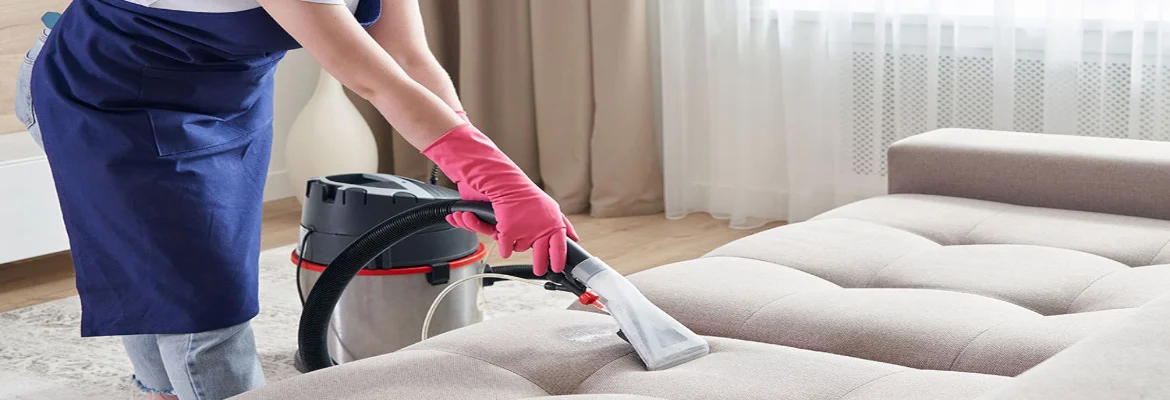
Before treating any stains, begin by removing loose dirt, crumbs and dust with a handheld vacuum cleaner. This step makes it easier to identify the areas that need attention and prevents debris from being pushed deeper into the fabric while you clean. Proper vacuuming also prepares the sofa for a more effective deep clean.
How to Clean Sofa Stains Using a Brush?
Whether you’re spot-cleaning or deep-cleaning your sofa, it’s always advisable to start with a soft brush. Brushing helps lift surface dust, loosen dried dirt and remove debris trapped between cushions. For stubborn dirt, dried food or tougher build-up, a firmer brush may be required. If your sofa is light or bright in colour, always use a white cloth when scrubbing to prevent colour transfer onto the upholstery.
How to Clean Sofa Stains Using a DIY Stain Removal Solution?
A simple but effective DIY solution can be made by mixing dishwashing liquid, baking soda, warm water and white vinegar. You only need one spoonful of each ingredient. Mix them together with a small amount of warm water to form a gentle lather. The mixture will bubble as the vinegar reacts with the baking soda, helping lift dirt and break down stains. Apply this solution directly to the stained areas and leave it for around 10 minutes. Once dry, wipe away any remaining residue with a clean towel. The combination of baking soda and vinegar is particularly effective at tackling grease, ingrained dirt and stubborn stains.
How to Clean Sofa Stains Using a Vinegar Mix?
A white vinegar mixture is an effective natural remedy for removing odours and stains from sofas. In a spray bottle, mix one cup of white vinegar with one cup of cold water. For fresh spills, blot any excess liquid with a kitchen towel before beginning the stain removal process. Spray a small amount of the vinegar mixture onto the stain—avoid over-saturating the fabric. Using a clean white cloth, blot from the outer edges towards the centre to prevent the stain from spreading. If the stain remains, reapply the mixture and continue blotting. After the stain lifts, wipe the area with a damp cloth to remove any leftover vinegar. Dry the fabric completely with a hairdryer to prevent water marks.
How to Clean Sofa Stains Using Soda Water?
Soda water is a gentle, pH-neutral option for removing stains from sofa fabric. Instead of soaking the stain with plain water, apply a small amount of soda water to a clean cloth and blot the affected area. This helps lift the stain without spreading it. Ensure the area is fully dry afterwards to prevent water marks or moisture damage.
How to Clean Sofa Stains Using a Baking Soda Paste?
For more stubborn stains such as coffee or wine, a baking soda paste can be very effective. Mix four tablespoons of baking soda with two tablespoons of water to create a thick paste. After wiping the stained area with a damp cloth, apply the paste using a clean rag. Let it dry for a few hours so it can absorb the stain. Once completely dry, vacuum the residue to reveal a fresher, cleaner surface.
Common Mistakes to Avoid When Cleaning Sofa Stains
Cleaning sofa stains may seem simple, but a few common mistakes can make stains worse, damage the fabric or leave long-term marks. Avoiding these errors ensures better results and helps protect your upholstery.
1. Rubbing the Stain Instead of Blotting
Rubbing pushes the stain deeper into the fibres and spreads it across a larger area. Always blot gently using a clean cloth.
2. Using Too Much Water
Excess water can soak into the cushions, causing mould, odours and water marks. Apply only small amounts of solution and dry the area thoroughly.
3. Applying Harsh Chemicals
Bleach or strong cleaners can damage colour, weaken fibres and leave permanent marks. Stick to mild soap, vinegar or approved upholstery products.
4. Ignoring Fabric Care Labels
Different fabrics require different cleaning methods. Using the wrong technique on delicate materials like “S” or “X” fabrics can cause irreversible damage.
5. Overusing Soap or Detergent
Too much soap traps residue in the fibres, making the sofa attract dirt more quickly. Use only a small amount and always rinse lightly afterwards.
6. Not Testing on a Hidden Area First
Before using any cleaning solution, test it on a small hidden area of the sofa to ensure it doesn’t cause discolouration.
7. Leaving the Sofa Damp
Failing to dry the sofa properly can lead to musty smells and bacteria build-up. Increase ventilation or use a fan to speed up drying.
8. Trying to Fix Old or Deep Stains Without Professional Help
Some stains have already set deep into the fabric, and DIY methods may not be enough. For these cases, professional cleaning is the safest option.
Avoiding these mistakes will help you remove stains more effectively and keep your sofa in excellent condition for years.
When DIY Isn’t Enough – Signs You Need Professional Sofa Cleaning
While DIY methods work well for small, fresh stains, there are times when home cleaning simply isn’t enough. Deep stains, persistent odours and long-term dirt can settle far beneath the fabric surface, making it difficult to remove without specialist tools. If your sofa still looks dull after cleaning, or if stains keep returning, it’s usually a sign that professional sofa cleaning is needed.
Many households discover that regular house cleaning or domestic cleaning routines are not enough to keep upholstery fully sanitised. High-traffic homes, families with children, pet owners and busy professionals often benefit from scheduled support such as regular house cleaning Adelaide or regular house cleaning Melbourne, where trained cleaners help maintain sofas, carpets and general hygiene to prevent stains from building up in the first place.
For individuals who receive disability support, professional help becomes even more important. A Max Clean Group proudly works with NDIS participants, offering tailored and flexible cleaning assistance. Whether you need ongoing home maintenance, upholstery care or deeper sanitation, our NDIS cleaning services Adelaide, NDIS Cleaning Service Melbourne, NDIS cleaning services Perth and NDIS cleaning services Darwin provide safe, reliable and fully compliant support for everyday living.
If your sofa has tough stains, heavy soiling or odours that DIY methods can’t fix, or if you prefer consistent, stress-free home care, professional cleaning is the most effective and convenient solution.
Professional Sofa Cleaning Services by A Max Clean Group
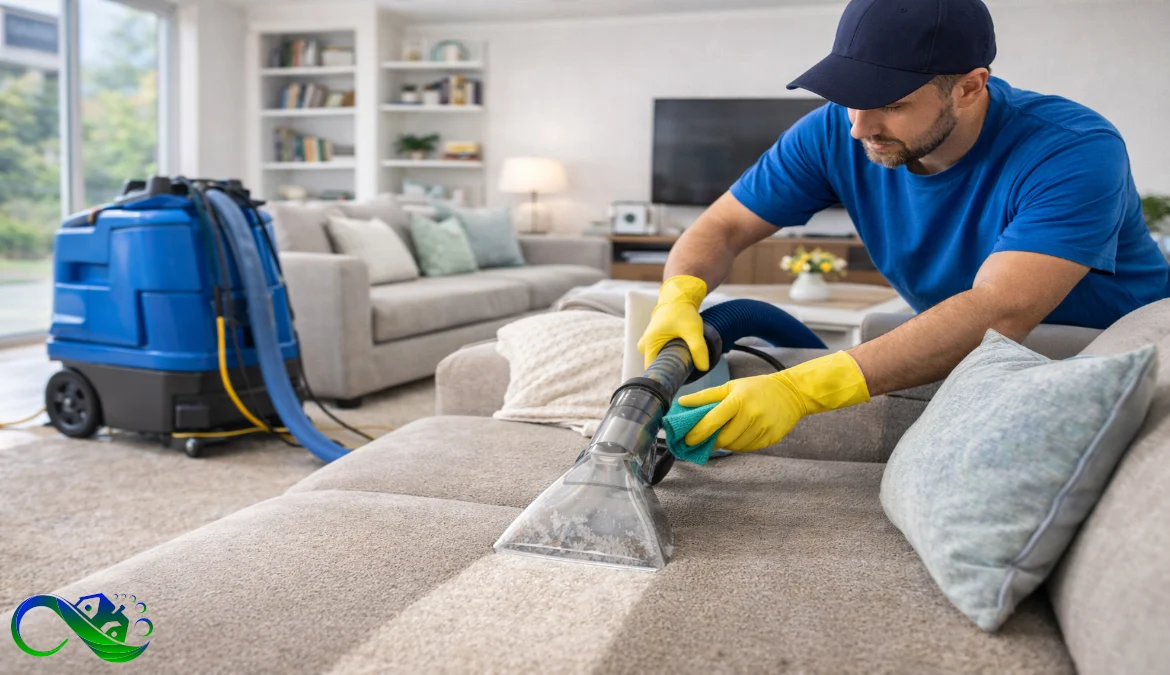
When stains are too stubborn, the fabric is too delicate or DIY cleaners simply don’t work, professional sofa cleaning becomes the safest and most effective solution. At A Max Clean Group, we use advanced equipment and specialist techniques to remove deep dirt, tough stains and trapped odours without damaging your upholstery.
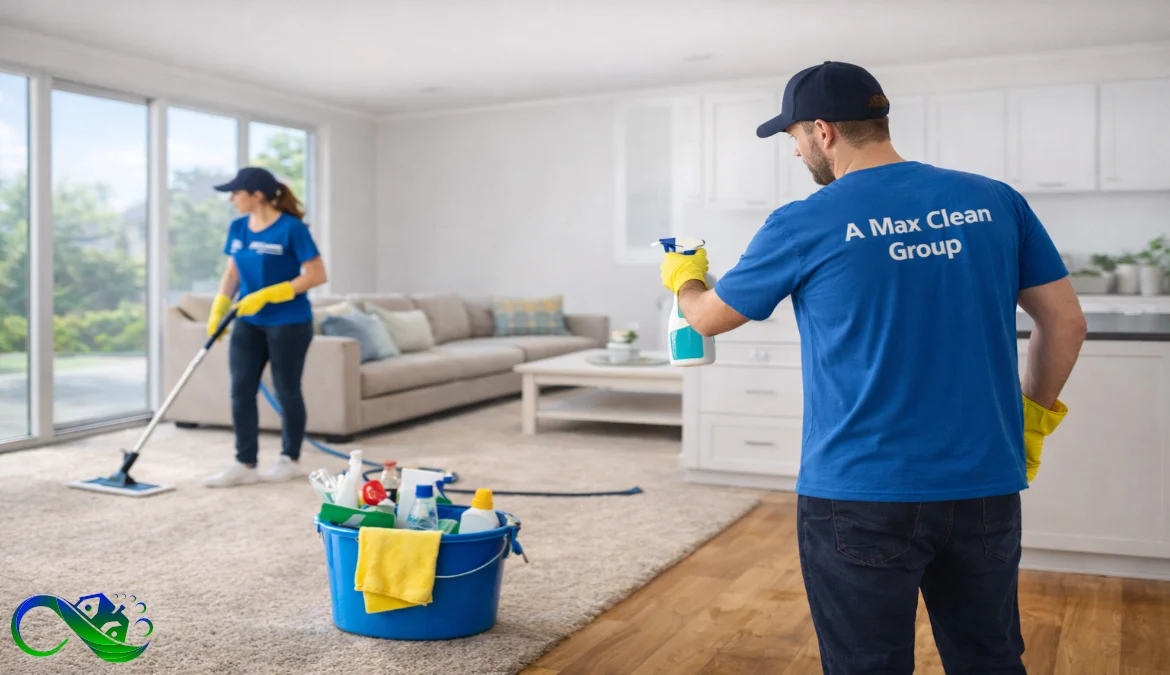
Our team has years of experience delivering reliable house cleaning and domestic cleaning services across Australia, and sofa cleaning is one of our most in-demand options. From emergency stain removal to full upholstery deep cleaning, we provide results that DIY methods simply cannot achieve.
Many clients combine sofa cleaning with scheduled home care such as regular house cleaning adelaide or regular house cleaning melbourne, ensuring their furniture stays cleaner for longer and their home remains consistently fresh and hygienic. Regular maintenance not only prevents stains from setting but also extends the lifespan of your upholstery.
A Max Clean Group is also a trusted provider of NDIS-approved services. We proudly support participants across multiple regions, offering safe, flexible and reliable cleaning assistance tailored to individual needs. Whether you need ongoing home hygiene, upholstery care or general support, our NDIS Cleaning Service Adelaide, NDIS Cleaning Services Perth and NDIS Cleaning Services Darwin are designed to meet a wide range of daily living requirements.
With our professional-grade equipment, eco-friendly products and customer-first approach, you can rely on us to restore your sofa to a clean, fresh and comfortable condition — without stress or risk of damage.
Frequently Asked Questions
1. What is the safest way to remove sofa stains at home?
The safest method is to start by blotting the stain gently and then using mild cleaning solutions such as warm water with dish soap or a vinegar-and-water mixture. Always test any solution on a hidden area first to ensure it doesn’t damage the fabric.
2. Can I clean any type of sofa fabric with water?
No. Some fabrics—especially those labelled S or X—should not be cleaned with water. Always check the care label first. “W” and “WS” fabrics are generally safe for water-based cleaning.
3. How can I remove odours from my sofa naturally?
Baking soda is one of the best natural odour removers. Sprinkle it over the affected area, leave it for at least 30 minutes (or longer for stronger smells), then vacuum thoroughly.
4. What should I do if DIY methods don’t remove the stain?
If the stain is old, deep or keeps coming back, DIY cleaning may not be enough. In that case, professional sofa cleaning—such as upholstery cleaning from A Max Clean Group—provides a deeper clean that reaches areas home methods can’t access.
5. How often should I get my sofa professionally cleaned?
Most households benefit from professional sofa cleaning every 6–12 months, especially homes with pets, children or high usage. Many people combine this with scheduled domestic support such as regular house cleaning adelaide or regular house cleaning melbourne for better long-term maintenance.
Conclusion
Cleaning sofa stains doesn’t have to be stressful. With the right techniques and a few simple household products, most everyday spills and marks can be treated quickly and safely at home. Whether it’s food, drink, ink, grease or pet-related stains, acting fast and using the correct method makes all the difference in protecting your upholstery.
However, DIY methods do have their limits. Deep stains, set-in odours, delicate fabrics or long-term dirt often require professional care. That’s where A Max Clean Group provides exceptional support. Our expert technicians use advanced equipment to restore your sofa safely and effectively — giving you results that last much longer than home cleaning.
Many households combine sofa cleaning with ongoing home maintenance such as regular house cleaning adelaide or regular house cleaning melbourne to keep their homes consistently fresh and hygienic. And for individuals receiving disability support, our fully approved ndis cleaning services adelaide, ndis cleaning services melbourne, ndis cleaning services perth and NDIS cleaning services Darwin offer reliable, flexible and safe cleaning assistance tailored to everyday needs.
If you want your sofa looking clean, fresh and beautifully restored — without the stress — A Max Clean Group is here to help.
Ready to book your sofa cleaning service?
Use our Free Online Booking Form on the website or call us directly on +61449540502 to schedule your appointment.