
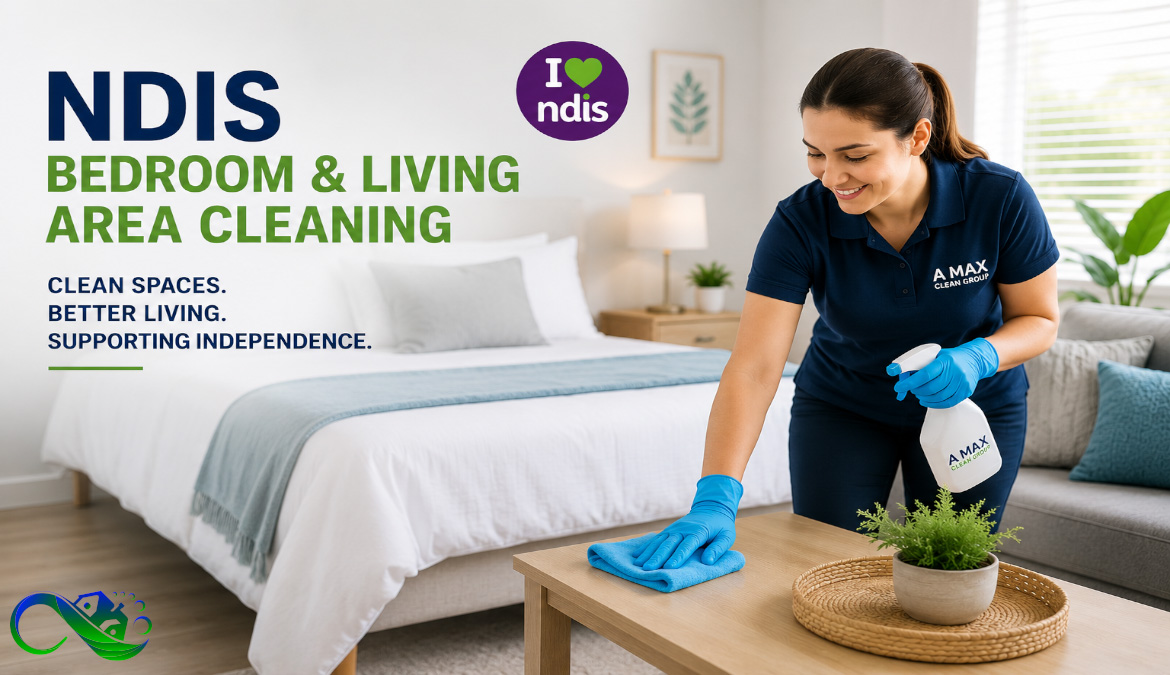
Maintaining a clean and organised home can be challenging for many NDIS participants, particularly those living with physical disabilities, mobility limitations, or other support needs. Regular cleaning of bedrooms and living areas plays an important role in creating a safe, comfortable, and healthy environment that supports everyday living.
NDIS cleaning services supports may assist participants with routine household tasks that they are unable to complete independently. From vacuuming carpets and dusting furniture to changing bed linen and sanitising frequently touched surfaces, these services such as NDIS carpet cleaning help ensure key living spaces remain clean and accessible.
In this guide, we explain what bedroom and living area cleaning under NDIS typically includes, who may be eligible for support, and how these services contribute to greater independence, wellbeing, and quality of life.
What Is Included in NDIS Bedroom & Living Area Cleaning?
NDIS bedroom and living area cleaning typically includes routine household cleaning tasks that help participants maintain a safe, hygienic, and comfortable home environment. Common services may include vacuuming carpets and rugs, mopping floors, dusting furniture, wiping surfaces, cleaning skirting boards, emptying bins, sanitising frequently touched areas, and changing bed linen.
These supports may be funded through an NDIS plan when they are considered reasonable and necessary and relate directly to a participant’s disability-related support needs. The purpose of these services such as NDIS carpet cleaning in Adelaide, Darwin, Melbourne and etc, is to help participants maintain a clean living space while supporting independence, wellbeing, and everyday living goals.
The exact cleaning tasks and service frequency will vary depending on the participant’s circumstances, support requirements, and NDIS funding arrangements. Some participants may require weekly cleaning assistance, while others may benefit from more frequent or customised support.
Key Takeaways
- NDIS bedroom and living area cleaning helps participants maintain a clean, safe, and comfortable home environment.
- Common cleaning tasks may include vacuuming, mopping floors, dusting furniture, wiping surfaces, emptying bins, and changing bed linen.
- Regular cleaning can help reduce dust, allergens, and household hazards that may affect participant wellbeing.
- Bedroom and living area cleaning supports greater independence by assisting participants with essential household tasks they may find difficult to complete on their own.
- NDIS funding may cover cleaning supports when they are considered reasonable and necessary and align with a participant’s support needs and goals.
- Cleaning schedules can be tailored to individual requirements, including weekly, fortnightly, or customised service arrangements.
- Professional NDIS cleaning services help create a healthier, more organised living space while allowing participants to focus on daily activities and personal goals.
What Bedroom & Living Area Cleaning Includes Under NDIS?
Bedroom and living area cleaning under NDIS is designed to help participants maintain a clean, organised, and comfortable home environment. While the exact services may vary depending on individual needs and support arrangements, most cleaning programs focus on routine household tasks that improve hygiene, safety, and everyday living conditions.
These cleaning services typically cover the areas participants use most frequently, helping to reduce dust, dirt, allergens, and clutter that may affect comfort or accessibility. By keeping bedrooms and living spaces clean and well maintained, participants can enjoy a healthier environment that supports independence and overall wellbeing.
The scope of cleaning support may differ from one participant to another, but it generally includes a combination of bedroom-specific tasks, living area cleaning, and routine cleaning activities that apply throughout the home.
Bedroom Cleaning Tasks
A clean and well-maintained bedroom is essential for comfort, relaxation, and overall wellbeing. For many NDIS participants, regular bedroom cleaning can help create a safer and healthier environment while reducing the physical demands associated with household chores.
Bedroom cleaning services may include vacuuming carpets and rugs, mopping hard floors, dusting furniture, wiping bedside tables, cleaning accessible surfaces, emptying bins, and removing accumulated dust from commonly used areas. Depending on the participant’s needs, support may also include changing bed linen and helping to maintain an organised sleeping environment.
Regular bedroom cleaning can contribute to improved indoor air quality by reducing dust, allergens, and other particles that may build up over time. Maintaining a clean bedroom also helps create a more comfortable space for rest and daily living, supporting both physical wellbeing and quality of life.
Living Area Cleaning Tasks
Living areas are some of the most frequently used spaces in a home, making regular cleaning essential for maintaining hygiene, comfort, and safety. For NDIS participants, support in cleaning these areas helps ensure that shared and personal spaces remain accessible and pleasant for daily use.
Living area cleaning tasks typically include vacuuming carpets and rugs, mopping hard floors, dusting furniture, wiping coffee tables and entertainment units, and cleaning accessible surfaces. In many cases, it also involves tidying up general clutter, emptying bins, and ensuring frequently touched areas such as remote controls, light switches, and door handles are kept clean.
Maintaining a clean living area helps reduce dust, allergens, and bacteria while creating a more comfortable environment for relaxation and social interaction. This support can play an important role in improving overall wellbeing and helping participants feel more at ease in their home environment.
Common Cleaning Tasks Across Both Areas
Some cleaning tasks are common to both bedrooms and living areas, as they are essential for maintaining a consistent level of hygiene and comfort throughout the home. These tasks help ensure that all frequently used spaces remain clean, safe, and well-organised for daily living.
Common cleaning tasks typically include dusting surfaces, vacuuming carpets and rugs, mopping hard floors, wiping down accessible surfaces, and removing general clutter. In some cases, this may also include sanitising high-touch points such as light switches, door handles, and remote controls to help reduce the spread of germs.
By applying consistent cleaning practices across both bedrooms and living areas, NDIS participants can benefit from a more hygienic and manageable home environment that supports independence, comfort, and overall wellbeing.
Who Can Access Bedroom & Living Area Cleaning Under NDIS?
Access to bedroom and living area cleaning under the NDIS is generally available to participants who require support with essential household tasks due to their disability. This type of assistance is designed to help individuals maintain a safe and functional living environment when they are unable to complete these tasks independently or without support.
NDIS participants who may be eligible for this support often include individuals with physical disabilities, mobility limitations, chronic health conditions, or other functional impairments that affect their ability to manage routine cleaning tasks. The goal is not only to maintain cleanliness but also to support independence, safety, and daily living needs within the home.
Eligibility for cleaning services is determined based on what is considered reasonable and necessary within a participant’s NDIS plan. This means the support must be directly related to the participant’s disability and contribute to achieving their personal goals and improved quality of life.
Therefore, A Max Clean Group offers a wide range of services, including NDIS carpet cleaning in Darwin, Melbourne, Adelaide, Canberra, Sydney, Brisbane, Hobart, GoldCoast, and Perth, ensuring participants across Australia receive reliable, high-quality cleaning support tailored to their individual needs.
Why Bedroom & Living Area Cleaning Is Important for NDIS Participants
Bedroom and living area cleaning plays an important role in supporting the health, safety, and overall wellbeing of NDIS participants. These spaces are used daily for rest, relaxation, and everyday activities, so maintaining cleanliness directly impacts comfort and quality of life.
Regular cleaning helps reduce the build-up of dust, allergens, and bacteria that can affect respiratory health and overall hygiene. For participants with limited mobility or specific health conditions, a clean environment can also reduce the risk of slips, falls, and other household hazards.
Beyond physical health, a clean and organised living space can also support mental wellbeing by creating a more calming and stress-free environment. This contributes to greater independence and helps participants feel more in control of their daily living situation.
Benefits of Professional Living Area Cleaning
Professional living area cleaning services under the NDIS Cleaning Services in Adelaide, provide participants with reliable support to maintain a clean, safe, and comfortable home environment without the physical strain of doing these tasks themselves. This can be especially important for individuals who have ongoing support needs or limited mobility.
One of the main benefits is improved hygiene and safety. Professional cleaners ensure that living areas are thoroughly cleaned, helping to reduce dust, dirt, and potential hazards that can build up in high-use spaces. This creates a healthier environment for both participants and their households.
Another key benefit is consistency and peace of mind. With regular professional support, participants can rely on their living spaces being maintained to a good standard, allowing them to focus more on their daily activities, personal goals, and overall wellbeing.
How to Arrange Bedroom & Living Area Cleaning Through Your NDIS Plan?
Arranging bedroom and living area cleaning through your NDIS plan typically starts with understanding what supports are included in your approved funding and how they relate to your individual goals and daily living needs. Cleaning services are usually considered under household tasks when they are directly related to a participant’s disability support requirements.
To get started, participants or their support coordinators can review the NDIS plan to confirm whether assistance with household cleaning is funded. If it is included, a suitable NDIS-registered or experienced cleaning provider can be selected to deliver the required services in line with the participant’s needs.
Once a provider is chosen, a service agreement is usually set up outlining the frequency of cleaning, specific tasks to be completed, and any personal preferences. From there, cleaning sessions can be scheduled on a regular or customised basis to ensure the participant’s bedroom and living areas remain clean, safe, and well maintained.
Why Choose Professional NDIS Bedroom & Living Area Cleaning Services?
Choosing a professional NDIS bedroom and living area cleaning service ensures that participants receive consistent, reliable, and disability-aware support tailored to their individual needs. Unlike general cleaning services, NDIS-focused providers understand the importance of accessibility, safety, and the specific requirements outlined in a participant’s plan.
Professional cleaners bring experience in working within supported living environments, which helps ensure tasks are completed efficiently and respectfully. This includes following agreed service plans, focusing on priority areas, and adapting cleaning routines based on the participant’s mobility and personal preferences.
Another important advantage is flexibility. Professional NDIS cleaning services in Melbourne can adjust schedules, cleaning frequency, and task lists to match changing needs over time, helping participants maintain a stable and comfortable living environment without added stress.
Frequently Asked Questions About NDIS Bedroom & Living Area Cleaning
Does NDIS cover bedroom and living area cleaning?
Yes, NDIS Cleaning Services in Darwin may cover bedroom and living area cleaning if it is considered reasonable and necessary and directly related to a participant’s disability support needs. It is usually included under household tasks in a participant’s plan.
What tasks are included in NDIS bedroom and living area cleaning?
Typical tasks include vacuuming, mopping floors, dusting furniture, wiping surfaces, emptying bins, sanitising high-touch areas, and changing bed linen, depending on the participant’s needs.
Can I choose how often cleaning is done?
Yes, cleaning frequency can usually be tailored to the participant’s needs. Services may be arranged weekly, fortnightly, or on a customised schedule based on the NDIS plan and support requirements.
Do I need an NDIS-registered provider?
Not always. It depends on how your NDIS plan is managed. Plan-managed and self-managed participants may have more flexibility in choosing NDIS cleaning providers.
Is bedroom and living area cleaning different from general house cleaning?
Yes. This service focuses specifically on key living spaces like bedrooms and living rooms, but it may overlap with general household cleaning depending on the service agreement.
Can cleaning help improve health and wellbeing?
Yes, maintaining a clean environment can help reduce dust, allergens, and hazards, which may support better physical health and overall wellbeing.
Conclusion
NDIS bedroom and living area cleaning plays an important role in helping participants maintain a safe, clean, and comfortable home environment. By focusing on essential living spaces such as bedrooms and lounges, these services support daily routines, improve hygiene, and reduce the physical burden of household tasks.
From routine tasks like vacuuming, dusting, and mopping to more specific needs such as changing bed linen and sanitising frequently used surfaces, this type of support can be tailored to suit each participant’s individual requirements and NDIS plan goals.
Ultimately, A Max Clean Group a professional NDIS cleaning services, help create a more manageable living environment, allowing participants to focus on their independence, wellbeing, and overall quality of life.
Getting professional support for your home is simple and flexible with A Max Clean Group. You can book your NDIS bedroom and living area cleaning service through our FREE ONLINE BOOKING FORM, making it quick and easy to schedule a service at a time that suits you.
If you prefer to speak with our team directly, you can also contact us by PHONE +61449540502 to discuss your cleaning needs, check your NDIS support options, and arrange a customised service plan tailored to your requirements.